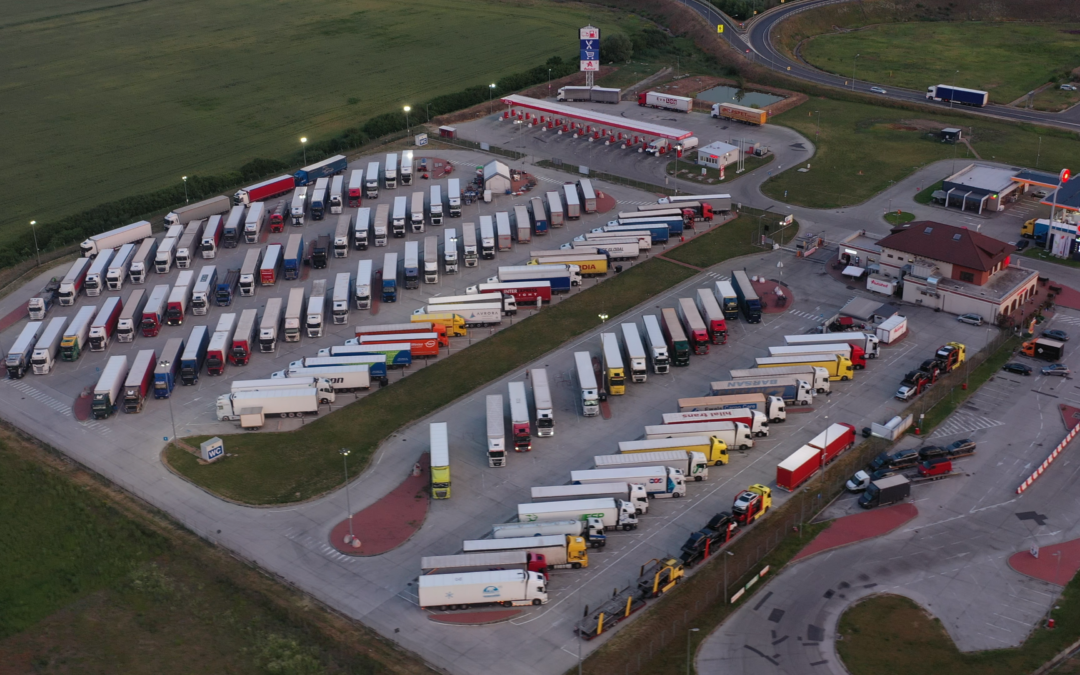
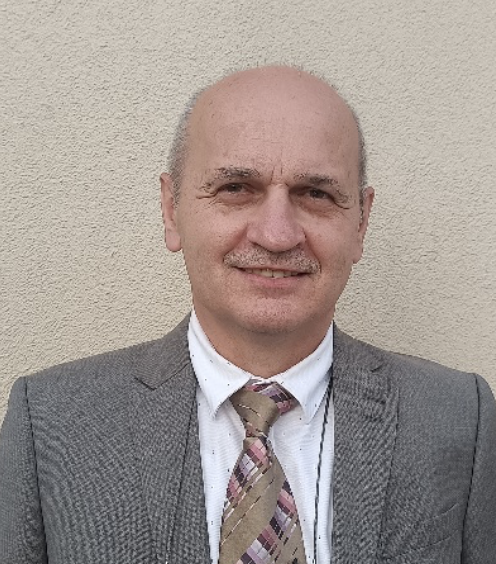
From chemical engineering and international business to operating one of Romania’s pioneering secure truck parking facilities, ESPORG Board Member Florin Vlăduț shares the lessons behind Smart Autohof’s success — and his vision for the future of European truck parking.
From engineering to entrepreneurship
“I am an engineer by education, but I am also an engineer by vocation,” says Florin Vlăduț. “I have always enjoyed understanding how things work.” That curiosity has shaped a career spanning more than three decades. Trained as a chemical engineer, Vlăduț entered sales and marketing during Romania’s economic transition in the early 1990s before progressing into industrial management and entrepreneurship.
Establishing his own transport business gave him first-hand experience of the challenges facing hauliers and professional drivers. His subsequent involvement with Smart Diesel and Smart Autohof brought together his technical expertise, commercial experience and understanding of transport operations.
“When you start out in an unfamiliar field, you have to learn quickly” he reflects.
Today, those lessons inform his approach to operating a modern truck parking facility — one designed not simply to accommodate vehicles, but to deliver lasting value to the transport industry.
EU Parking Standard certification: credibility built on operational quality
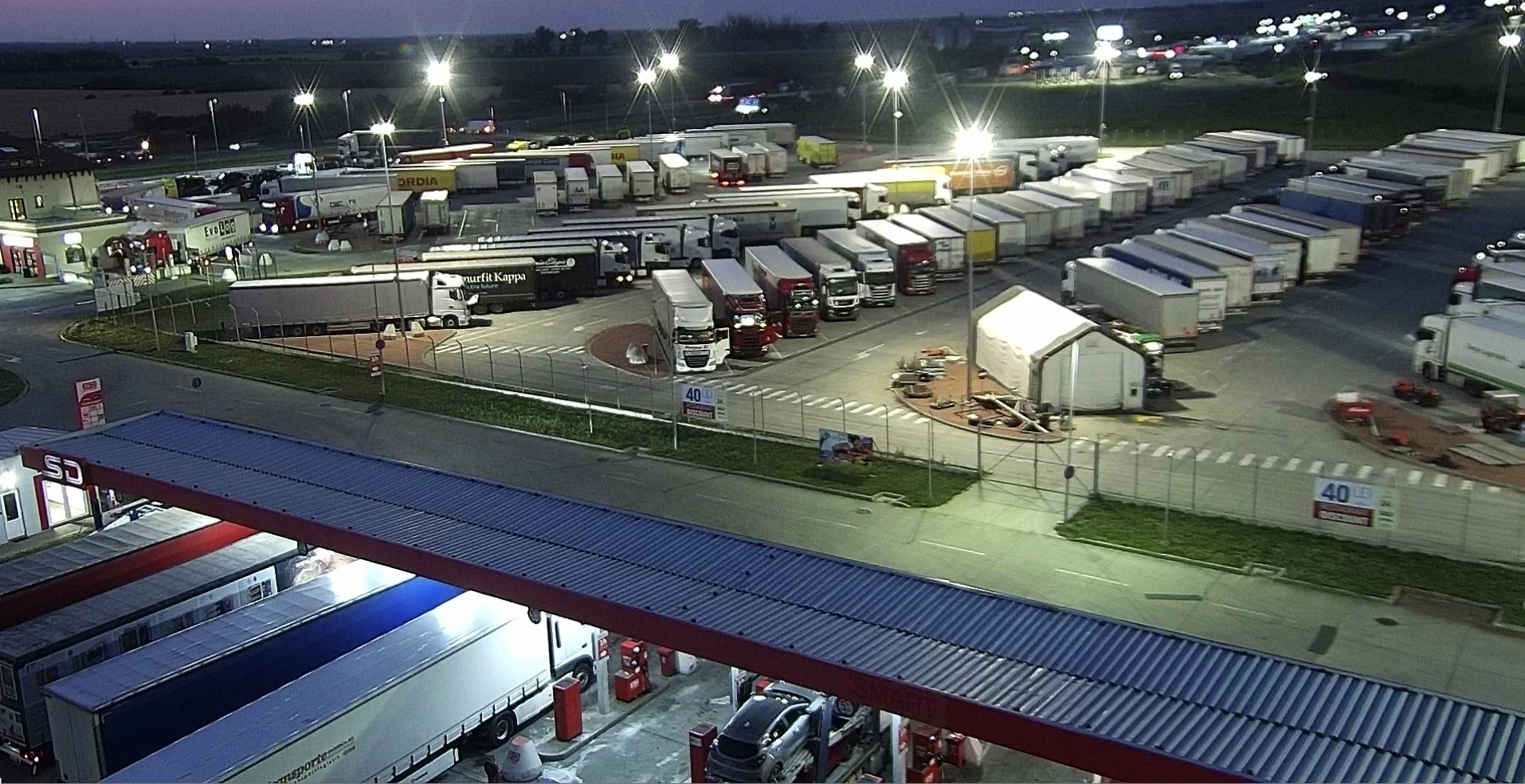
Smart Autohof became Romania’s first truck parking facility to achieve Gold certification under the European secure truck parking standard, according to Florin Vlăduț, placing it among Europe’s early Gold-certified sites.
For the operator, this represented an important milestone. He sees certification as part of a broader combination of factors influencing customer preference: “Security, good services, easy access and visibility all work together,” he explains, suggesting that certification has helped reinforce Smart Autohof’s position in the market.
From refrigerated vehicles to ADR: parking needs for clearer rules
As transport requirements become more complex, Smart Autohof has expanded its capacity to serve refrigerated vehicles, dangerous-goods transport, oversized loads and light commercial vehicles. The facility provides 12 electrical connection points for refrigerated trucks and established a dedicated area intended for ADR transport from the outset.
“Transport involving dangerous goods needs to be better structured. As operators, we are waiting for clear requirements that we can understand and comply with.” Florin Vladut advocates a more differentiated classification system that would allow transport planners to identify suitable facilities quickly and confidently: “With a single label, it should tell you what a parking area has and what it does not have, what it is suitable for and what it is not.”
This operator-focused perspective closely aligns with ESPORG’s work on specialised parking requirements and the development of safer, more transparent European parking infrastructure.
The war in Ukraine has highlighted another dimension of transport infrastructure: its potential role in military mobility and humanitarian movements. Smart Autohof has accommodated military transports and passenger movements associated with people displaced from Ukraine: “We have had military transports, and we will probably continue to have them,” Florin Vlăduț notes.
Although the facility is not presented as a formally designated military mobility site, its experience illustrates how commercial truck parking infrastructure can support a wider range of European transport needs. For operators, adaptability is becoming an increasingly important capability.
Sustainability Beyond the Slogans
Among the first facilities certified this year under ESPORG’s Green Parking Standard, Smart Autohof approaches sustainability as a matter of daily operational responsibility. His message is that meaningful environmental progress requires practical action, education and a culture of responsibility. “Beyond slogans and declarations, there has to be a willingness at every level to respect the environment in which we work and to respect life.”
The Smart Autohof administrator also urges a realistic assessment of electrification and its environmental impact. “A great deal depends on how the electricity is generated. If it comes from a process that is not green, then it is not necessarily as green as it appears.”
As Smart Autohof evaluates alternative-energy solutions, investment decisions remain closely tied to actual demand, environmental benefits and financial viability.
The most important investment decision happens before construction
For prospective truck parking investors, Florin Vladut has one overriding message: preparation determines success.
As a contributor and trainer to the EU Parking Academy’s Financing and Funding Toolbox for Truck Parking Areas, he stresses the importance of feasibility studies, location analysis, financial modelling and learning from experienced operators. “If you have not prepared the project properly, you have greatly reduced your chances of completing it successfully or keeping it within budget.” His advice is to dedicate at least a year to studying business models, visiting facilities and testing different financial scenarios before committing capital.
Beyond Parking: the strength of an integrated business model
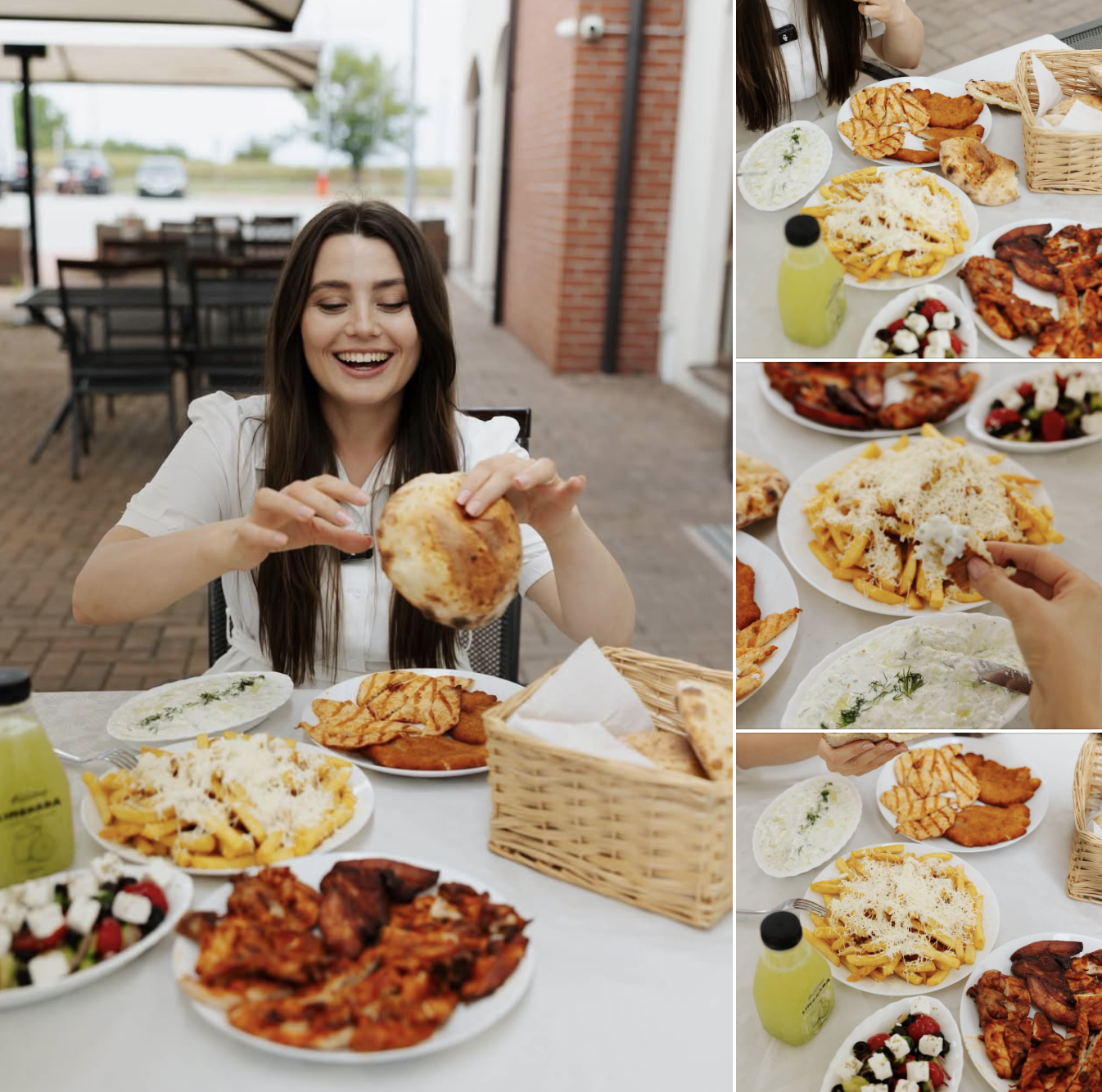
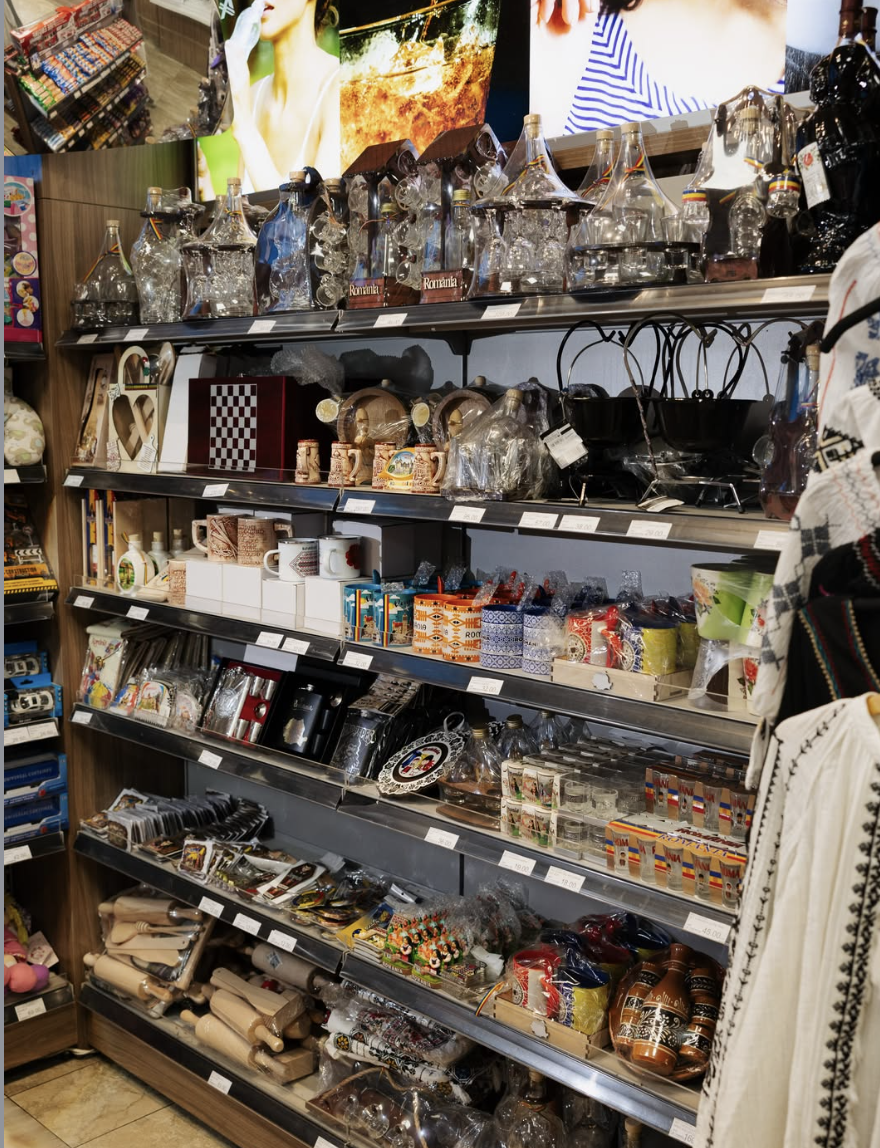
At Smart Autohof, secure parking forms part of a wider service ecosystem encompassing fuel, restaurants, hospitality and complementary facilities. This diversified model has proved central to its resilience.“Having a structure with several services and several profit centres has given us greater resilience during the many challenges we have faced in recent years,” Florin Vlăduț explains. Those challenges include evolving European transport regulations, changing freight flows, Romania’s integration into the Schengen area and shifting customer expectations.
He also sees truck parking as a catalyst for regional economic development. “A well-operated parking facility can become a centre of development, a seed from which other activities grow.”
Customer experience remains central to that philosophy. While digital visibility and online reviews matter, he believes investment should prioritise the services drivers actually experience. “I would rather invest in good food and better service. That investment pays back over time.”
The approach reflects a simple principle: security attracts customers, but reliable services and genuine hospitality help bring them back.
The parking of tomorrow: adapting to a future that is still taking shape
At Smart Autohof, even the transition from coin-operated showers to a tablet-based system illustrates both the promise and the challenges of digitalisation. “Wi-Fi has become essential. If the Wi-Fi goes down, the drivers cannot use the showers because we have automated them.” For Florin Vladut, the future belongs to operators who embrace innovation without losing sight of operational reliability and customer needs. “We have to remain open, confident and innovative. That is how we will be able to face what comes next.”
He also recognises ESPORG’s growing role in supporting this transformation. “ESPORG is already a mature organisation. It has grown in recognition, in complexity and in value.” As European truck parking evolves, cooperation between operators, industry stakeholders and institutions will be crucial to turning ambitious objectives into practical solutions.
Smart Autohof’s experience offers a clear lesson for the sector: successful truck parking is built on careful planning, operational excellence and the ability to adapt. The truck stop of tomorrow must deliver more than security — it must create lasting value for drivers, transport operators and the wider European mobility network.