By Marc Van Grootel, Road Safety & Technical Advisor at ESPORG
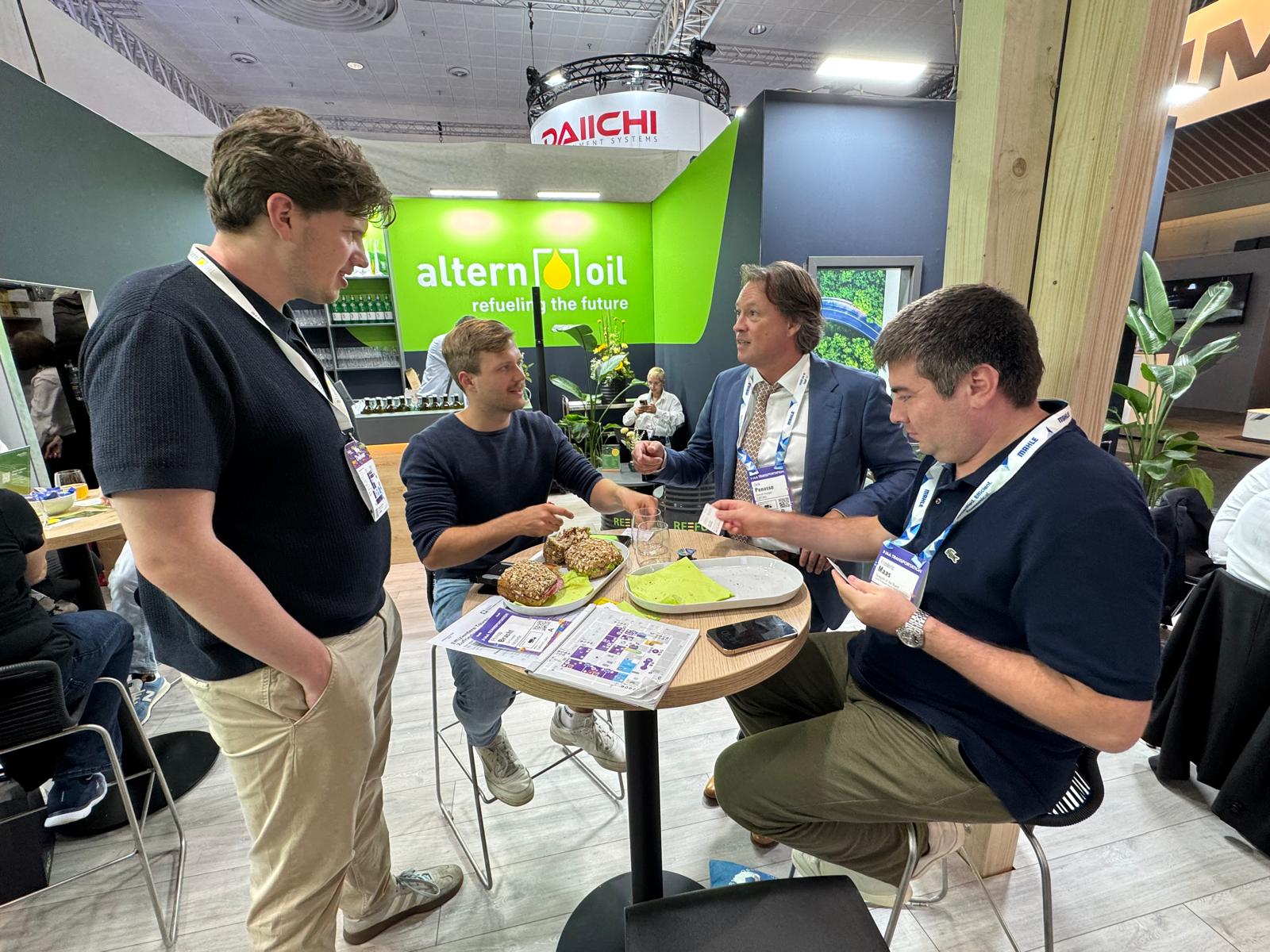
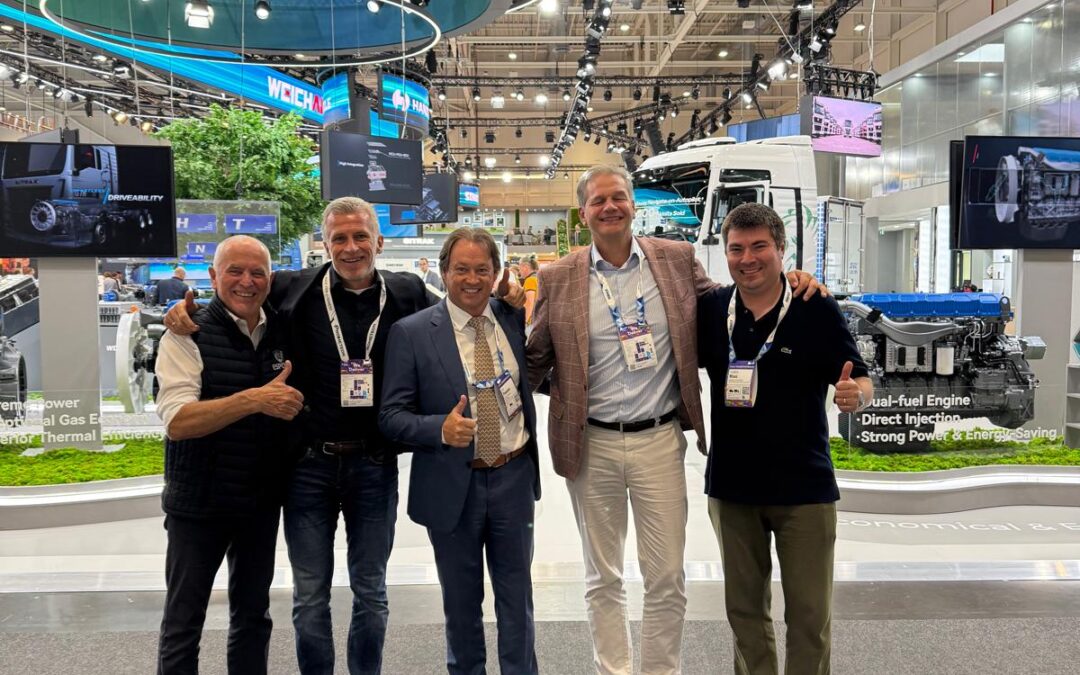
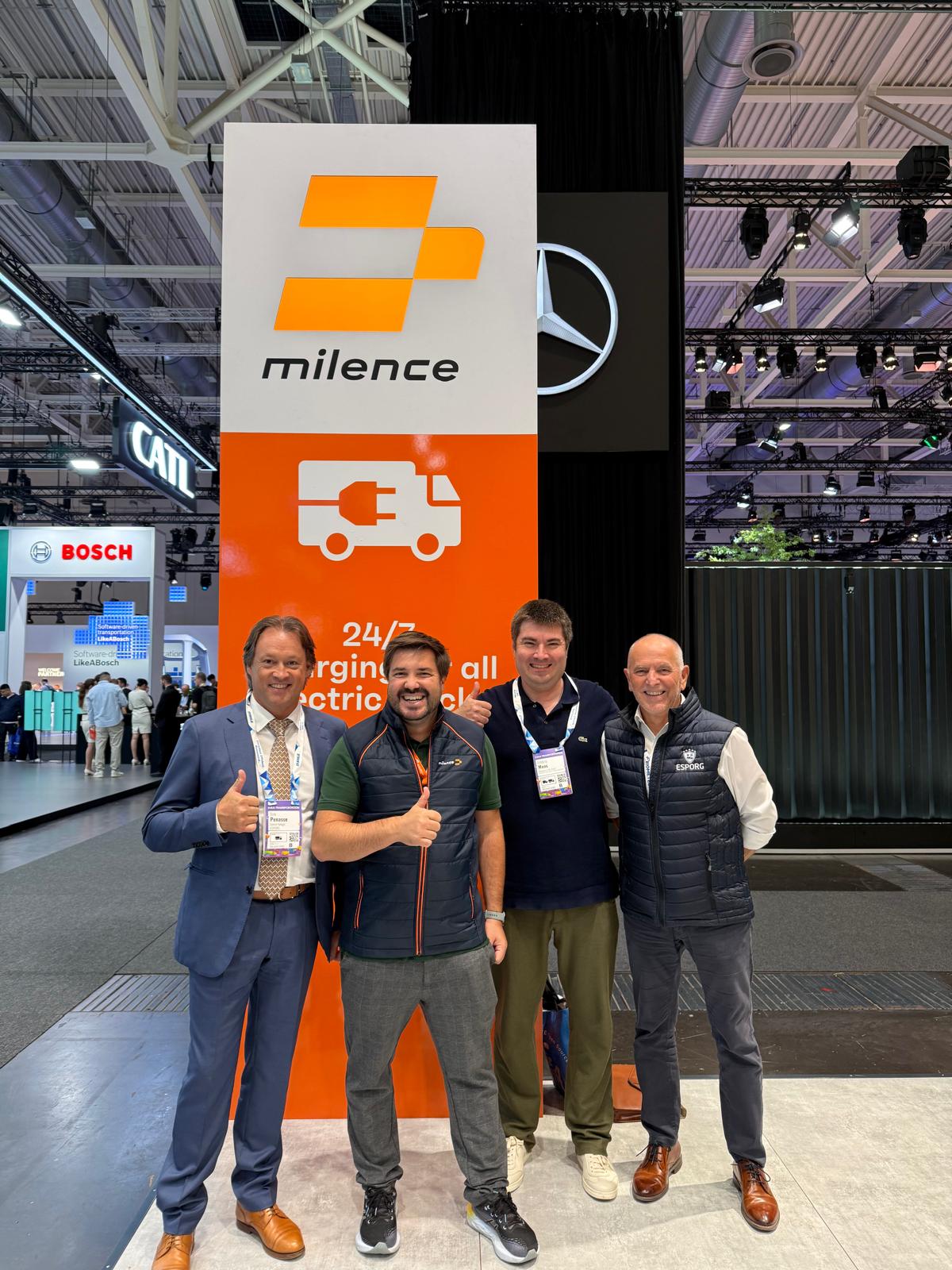
ESPORG had a clear reason to attend IAA TRANSPORTATION 2026 in Hanover this September: the trade fair is one of the most important international meeting places for the European trucks, transport and logistics sector. , ESPORG General Manager Dirk Penasse, Delegate of the Board Frédéric Maas and Road Safety & Technical Advisor Marc Van Grootel were in Hannover, connecting with industry partners, exchanging ideas and discussing the future of safe, secure and sustainable road transport in Europe.
Connecting with the truck industry
IAA brings together lorry manufacturers, suppliers, technology companies, logistics service providers and other players from the transport sector. For ESPORG, this offers a valuable opportunity to speak directly with companies developing the lorries and technology of the coming years.
After all, lorries are changing rapidly. Electrification, digitalisation, connectivity and new forms of propulsion also have implications for the infrastructure that lorries use on the road.
Truck parking areas are changing too
A modern truck park is increasingly more than just a place where the drivers take their mandatory rest or break. ESPORG views the truck park as a Smart Service Hub within the logistics chain. This includes, amongst other things, secure parking spaces, toilet facilities, security, digital services and the option to charge the truck or use other services whilst stopped.
The developments showcased at the IAA make this discussion particularly topical.
Electric trucks require a different infrastructure
At IAA 2026, there was a strong focus on electric, battery-electric and fuel-cell vehicles, as well as on charging infrastructure and digital solutions.
This is important for ESPORG because an electric truck places different demands on a parking area. The drivers must be able to combine their rest period with charging the truck. As a result, the truck parking also has the potential to become an ‘energy hub’.
This ties in, for example, with the development of MCS (Megawatt Charging System) charging for heavy-duty electric lorries. The question then becomes not only how many lorries can park there, but also how much charging capacity is available, how long vehicles remain at the charging point, and how charging times can be coordinated with driving and rest periods.
Safety and security remain central
The ongoing digitalisation of transport is also changing the safety landscape. Modern trucks are increasingly connected to fleet management systems, logistics platforms and infrastructure. At the same time, the physical security of trucks and their cargo remains a significant challenge.
That is why it was beneficial for ESPORG to engage in discussions at the IAA with technology companies, truck manufacturers, hauliers, insurers and other organisations involved in securing the logistics chain.
The link to the future
The theme of IAA 2026, “WE DELIVER”, centred on how transport can become more sustainable, digital and efficient in the coming years.
For ESPORG, this raises an important question: where can all these new trucks stop safely, load their cargo and allow their drivers to take the necessary rest and breaks?
In short: ESPORG did not go to Hanover only to view the latest trucks, but primarily to assess the implications of the new generation of trucks for the secure parking, safety, loading infrastructure, driver comfort and the logistics chain.
ESPORG’s presence therefore fitted perfectly with the aim of developing truck parking into safe, secure and integrated Smart Service Hubs.