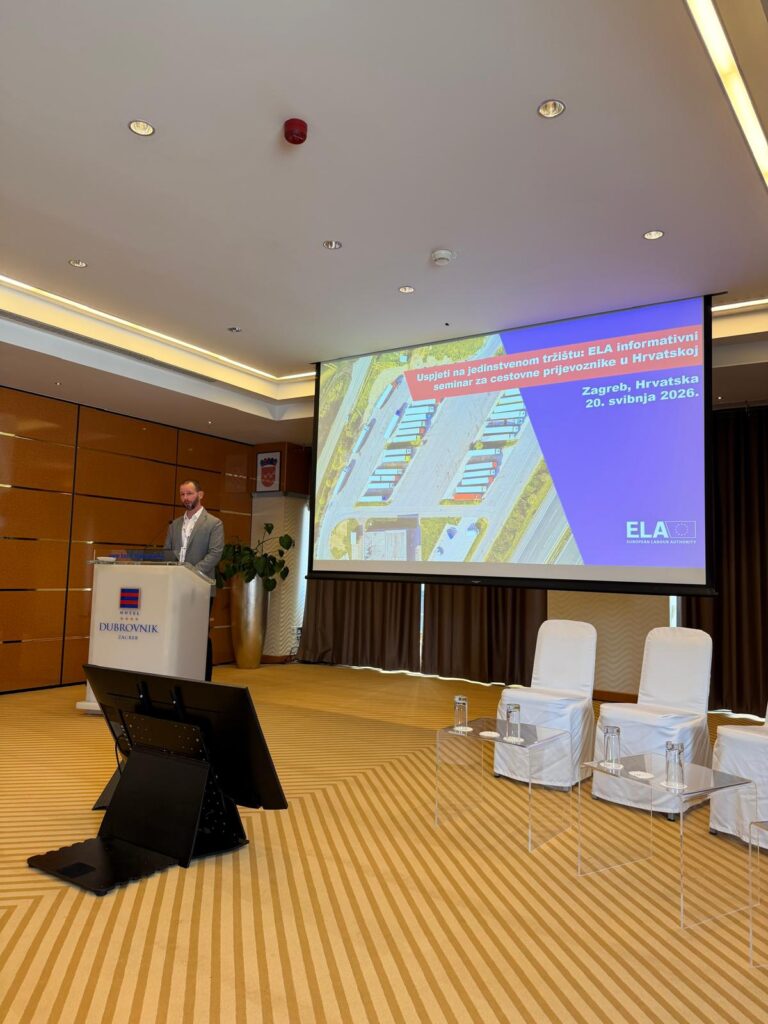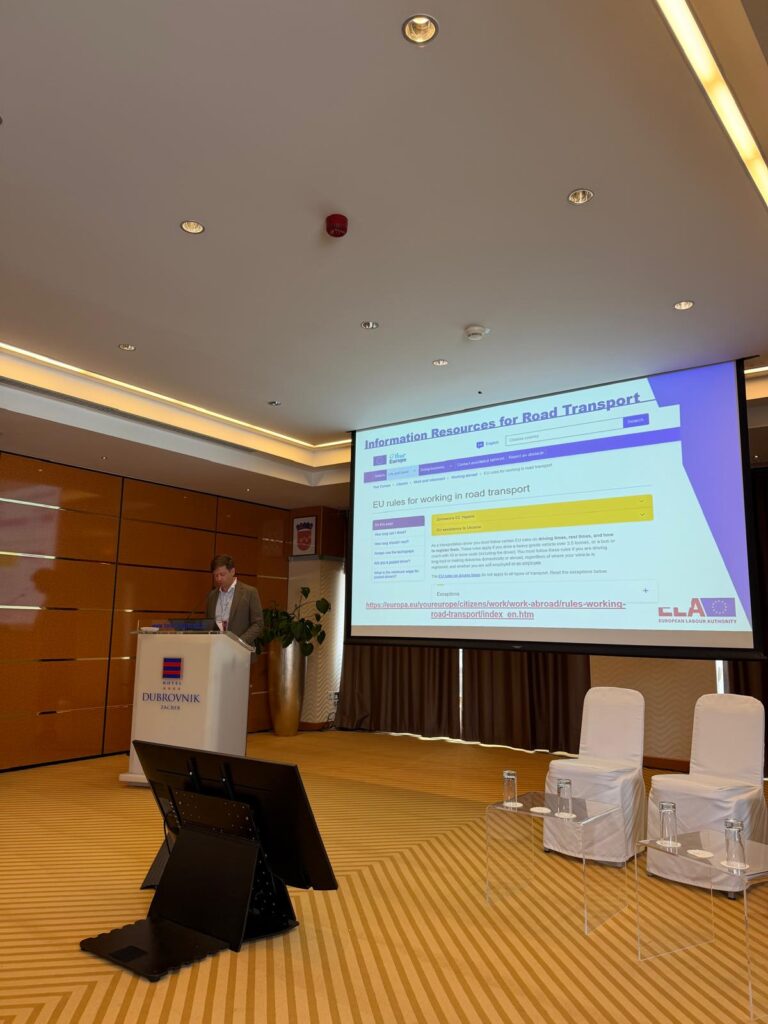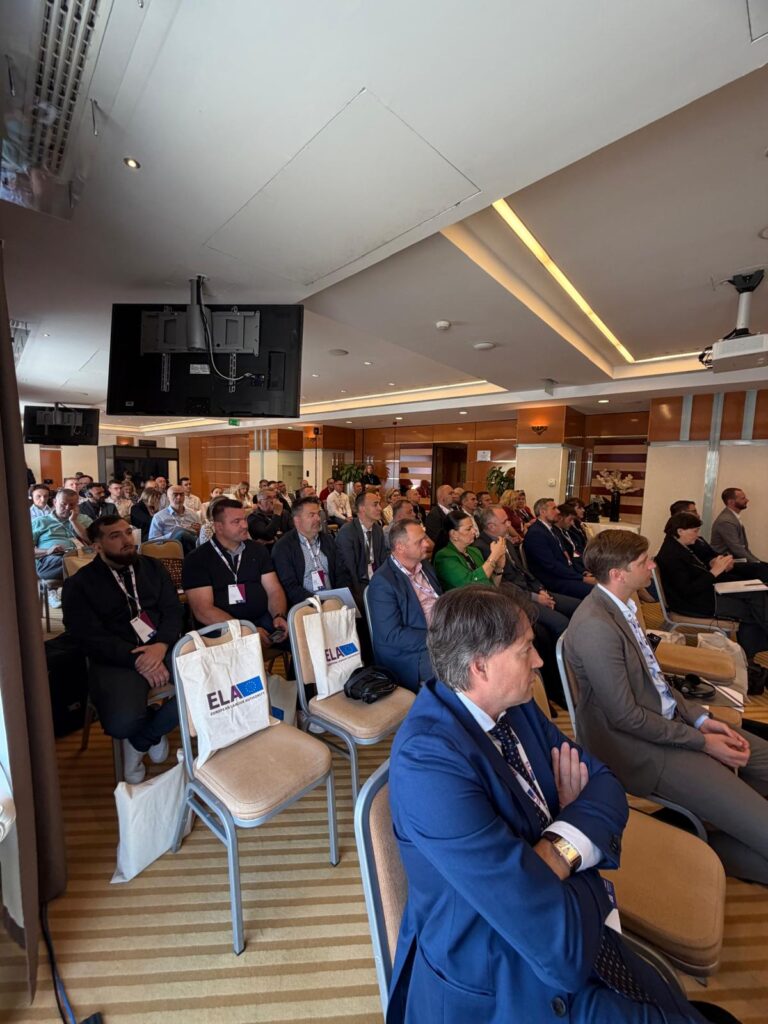

This week in Zagreb, key European stakeholders from the transport, enforcement and parking sector gathered for a high-level event focused on one of the most pressing challenges facing European road transport today: how to turn Mobility Package I into practical improvements for drivers across Europe.
Organised by the European Labour Authority (ELA) in collaboration with the Croatian Ministry of the Sea, Transport and Infrastructure and ESPORG, the event brought together representatives from the European Commission DG MOVE, national authorities – Croatian road safety and inspection authorities, social partners ETF and IRU for a full-day information event dedicated to transport operators. Held in Zagreb under the title “Succeed in the Single Market: ELA Information Seminar for Road Transport Operators in Croatia”, the conference highlighted the growing recognition that driver wellbeing, safe parking infrastructure and regulatory compliance are inseparable pillars of a resilient European transport network. The Zagreb seminar demonstrated a remarkable level of cooperation between European institutions, industry representatives and national authorities.
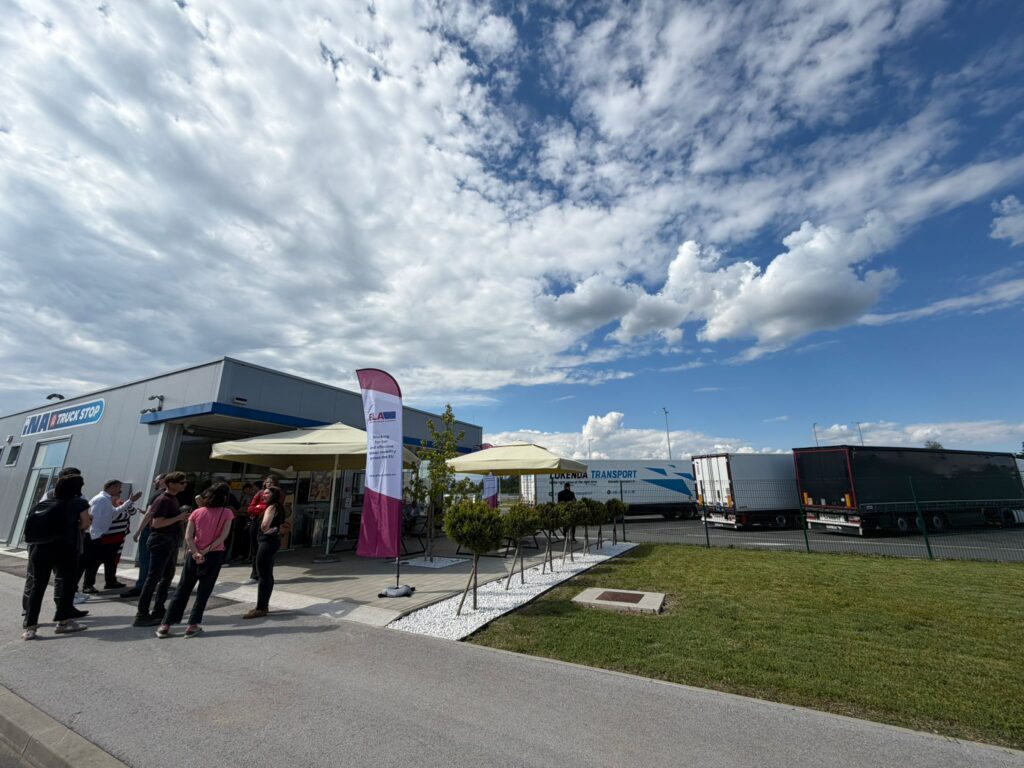
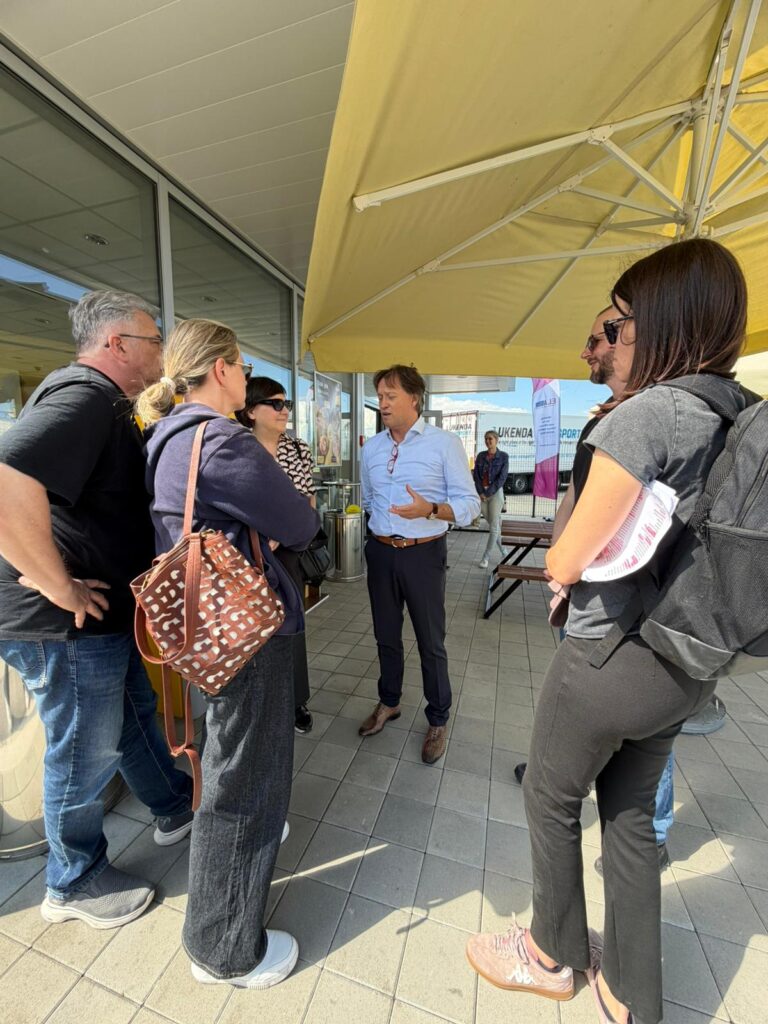
The event was preceded by SSPA Pilot Event #1 – at INA Ježevo Secure Parking — Silver certified parking area member of ESPORG, strategically located on the A3 corridor connecting Western and South-Eastern Europe. SSPA pilot event showcased the practical side of the initiative through a local drivers’ wellbeing roadshow organised at the INA Ježevo secure parking area near Zagreb, where stakeholders engaged directly with drivers to better understand their daily challenges and expectations.
Turning Mobility Package I into daily practice – the role of SSPAs
A central message throughout the event was clear: the successful implementation of Mobility Package I depends on the availability of Safe and Secure Parking Areas (SSPAs).
Opening the discussion, representatives from DG MOVE underlined that parking infrastructure is no longer simply a logistics issue, but a strategic European priority.
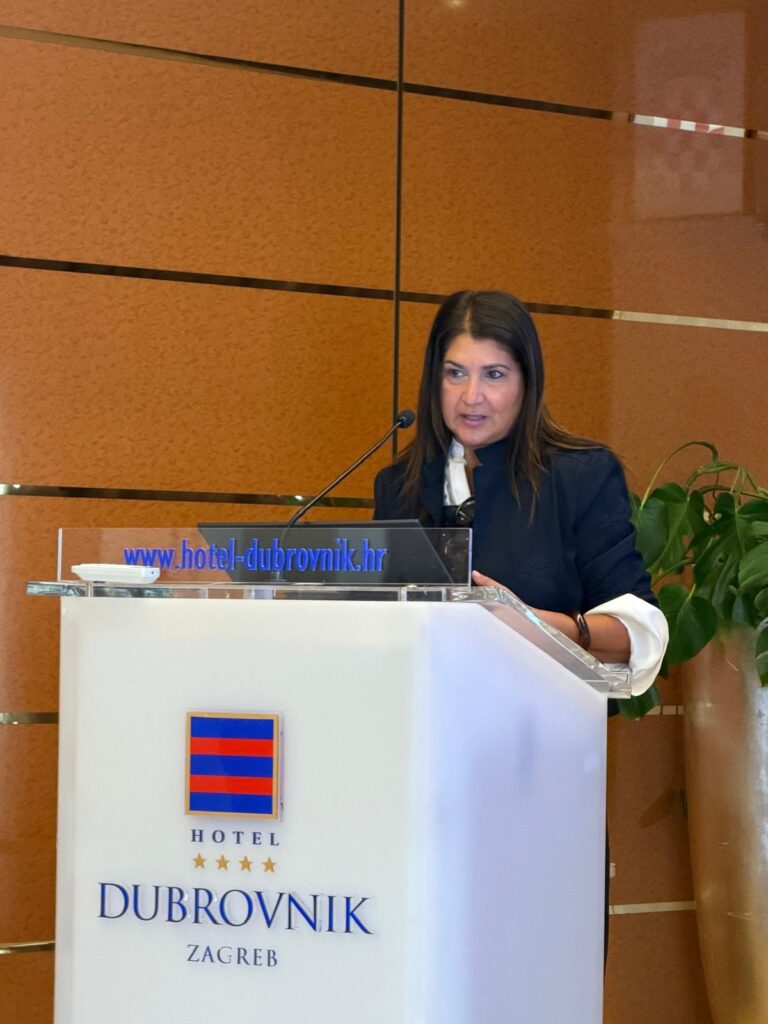
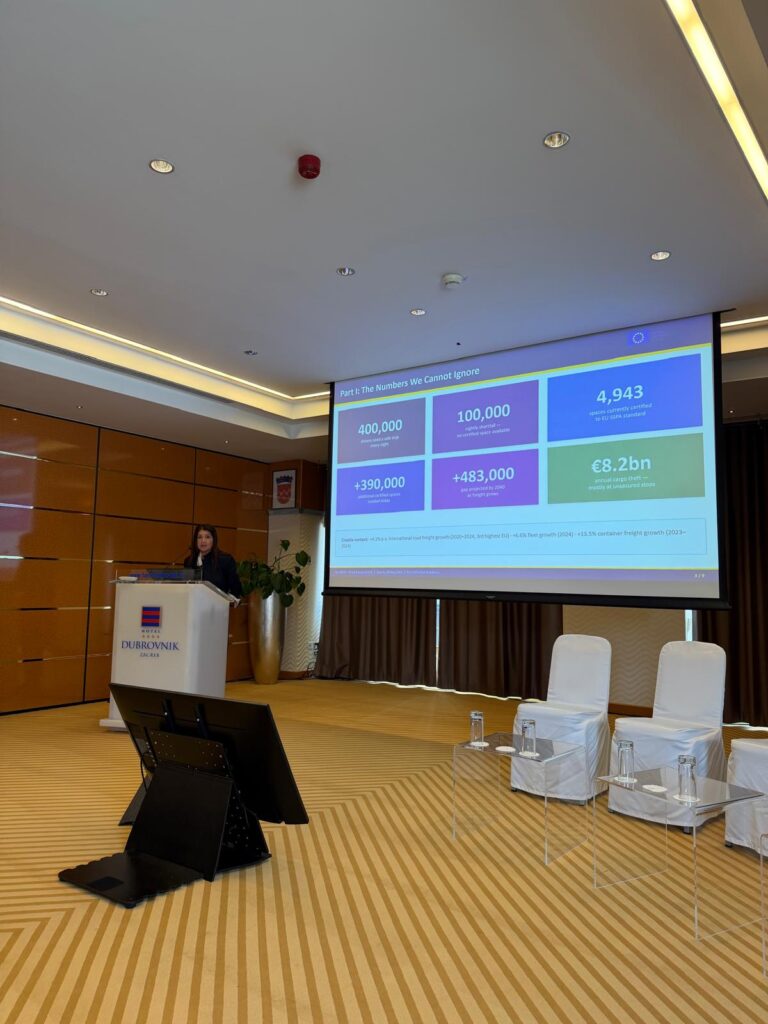
“Safe and secure parking areas are the backbone of a resilient, green and driver-friendly road freight transport corridor,” noted Ana Pereira de Miranda, Policy Officer at DG MOVE, European Commission.
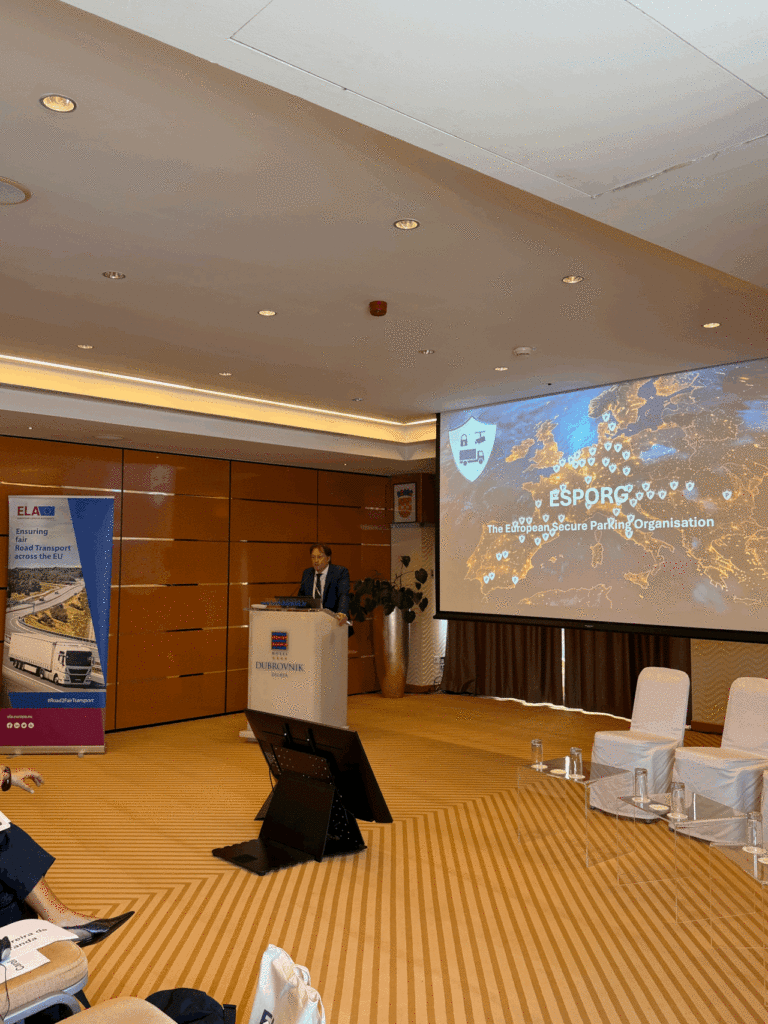
ESPORG General Manager Dirk Penasse stressed that “The expansion of certified secure parking areas is essential — not optional — for turning Mobility Package I rules into daily compliant breaks, safer operations and real driver wellbeing.”
He further emphasised that truck parking areas are evolving into full-service mobility hubs.
“A truck parking is transforming into a service hub for transport operators and professional drivers” Dirk Penasse explained, highlighting the need for a complete ecosystem around parking, digitalisation, charging infrastructure and wellbeing services.

Drivers’ Wellbeing at the Centre of the Debate
One of the strongest themes emerging from the Zagreb event was the growing European focus on drivers’ wellbeing. Druselia Betea, Head of the European Wellbeing Initiative at ESPORG, presented the progress achieved through the European Wellbeing Initiative, launched in March 2025 with support from the European Commission. The initiative already counts more than 150 signatories representing transport operators, social partners, parking operators, authorities, insurance companies and logistics stakeholders committed to improving working and living conditions for professional drivers.
“Professional driver wellbeing must be at the very centre of the transport system,” Betea explained during the conference discussions. “A healthy, rested and respected driver is the foundation of a truly efficient, safe and resilient European transport network.”
|
From Rules to Rest: The role of SSPAs in Turning Mobility Package I into daily practice |
The Panel discussion, held on 20 May 2026 in Zagreb as part of the European Labour Authority’s information seminar for road transport operators in Croatia, was moderated by Caroline Meumann – ELA who invited each panelist to share a clear statement on whether Safe and Secure Parking Areas (SSPAs) directly contribute to drivers’ well-being and the practical implementation of Mobility Package I. The responses showed strong cross-sector alignment and delivered a resounding “yes”.
Caroline Meumann Head of Information and Services Sector, European Labour Authority (ELA) – Moderator
“It is very encouraging to see such strong and immediate alignment across all panelists. Safe and secure parking areas are the practical bridge that turns the rules of Mobility Package I into daily reality — directly improving drivers’ well-being, ensuring compliant rest, and making road transport operations safer for everyone.”
Ana Pereira De Miranda Policy Officer, DG MOVE, European Commission
“Safe and secure parking areas are not just infrastructure — they are a key precondition for complying with the Mobility Package rules and for making the driver profession attractive again. We need hubs that are safe, secure, protected, and at the same time nice places to rest, where drivers can truly experience well-being.”
Cristina Tilling Head of Land Department, European Transport Workers’ Federation (ETF)
“Safe and secure parking directly reinforces drivers’ well-being. From our field visits we see that when drivers have access to proper, dignified resting facilities, their working conditions improve dramatically and the profession becomes more attractive — especially for younger drivers who spend three or four weeks on the road before returning home.”
Mateusz Urasiński Policy Adviser, International Road Transport Union (IRU)
“Dense and reliable networks of safe and secure parking areas are not a ‘nice-to-have’ — they are a necessity and a precondition if we want operators and drivers to actually comply with the stricter rules of the Mobility Package. Without them, drivers are forced into unsafe or illegal parking, which increases stress and worsens the driver shortage.”
Dirk Penasse, Generla Manager ESPORG
“The Mobility Package gives us the legal framework, but safe and secure parking is what turns that framework into reality for drivers. We need a real mindset change: parking must become a normal, accepted and budgeted part of transport operations — just like fuel or tolls — because when the driver stops, society stops.”
Franc Hajdinjak Head of Sector for Road Safety and Roads Inspections, Ministry of the Sea, Transport and Infrastructure, Croatia
“High-quality safe and secure parking infrastructure is essential for safer roads and better enforcement of driving and rest-time rules. It allows us to move from confrontation to real dialogue with drivers, reduces fatigue-related incidents, and helps both operators and inspectors perform their jobs more effectively.”
Panel discussions focused also on how infrastructure, digitalisation, enforcement and social rules must work together to make Mobility Package I operational in everyday transport operations. A particularly important topic was the role of digitalisation and data-sharing in helping drivers find available safe parking spaces more efficiently.
ESPORG outlined its vision for future digital tools capable of providing real-time information on parking availability, booking systems and driver ratings, allowing transport operators and drivers to better plan rest stops while reducing illegal and unsafe parking.
Croatia’s Strategic Role
Croatia’s strategic position along major European transport corridors made Zagreb an especially relevant location for the discussions.
Representatives from the Croatian Ministry highlighted the country’s growing importance as a transit hub connecting Central and Southeastern Europe. Authorities also presented ongoing efforts to strengthen infrastructure, enforcement cooperation and secure parking development across the country.
The Croatian approach, focused on dialogue between enforcement officers, operators and drivers, was widely praised during the event as a practical example of how collaborative solutions can improve both compliance and working conditions.
The discussions clearly demonstrated that safe and secure parking is no longer viewed simply as infrastructure — it is increasingly recognised as a critical component of Europe’s economic resilience, social sustainability and green transition.