
On 29 May 2026, the transport community gathered at OnTurtle La Jonquera, one of Europe’s leading secure truck parking facilities, for a day dedicated to an issue that is increasingly recognised as critical to the future of road transport: driver wellbeing.
Organised within the European Wellbeing Initiative (Ewellin) and hosted by OnTurtle, the event brought together industry leaders, transport professionals, policymakers and wellbeing advocates around a shared vision: creating a safer, healthier and more attractive road transport sector.
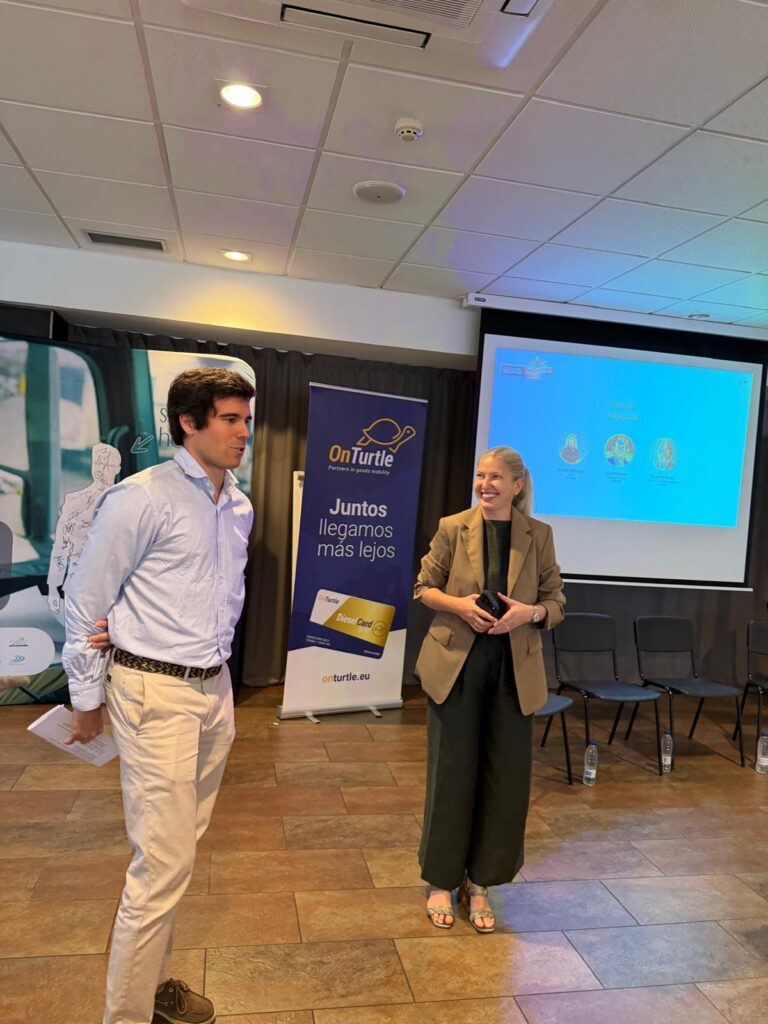
The event opened with a warm welcome from Marta Fàbregas, CEO of OnTurtle, followed by interventions from Dirk Penasse, General Manager of ESPORG, and Druselia Betea, Head of the European Wellbeing Initiative, who introduced the philosophy behind the movement and its growing impact across Europe.
Gratitude for Professional Drivers
Powered by ESPORG and launched with the support of the European Commission and more than 150 stakeholders, the European Wellbeing Initiative places professional drivers at the heart of the transport ecosystem. The initiative recognises that driver wellbeing is not simply a social responsibility objective, but a strategic pillar for road safety, operational efficiency, workforce retention and supply chain resilience.
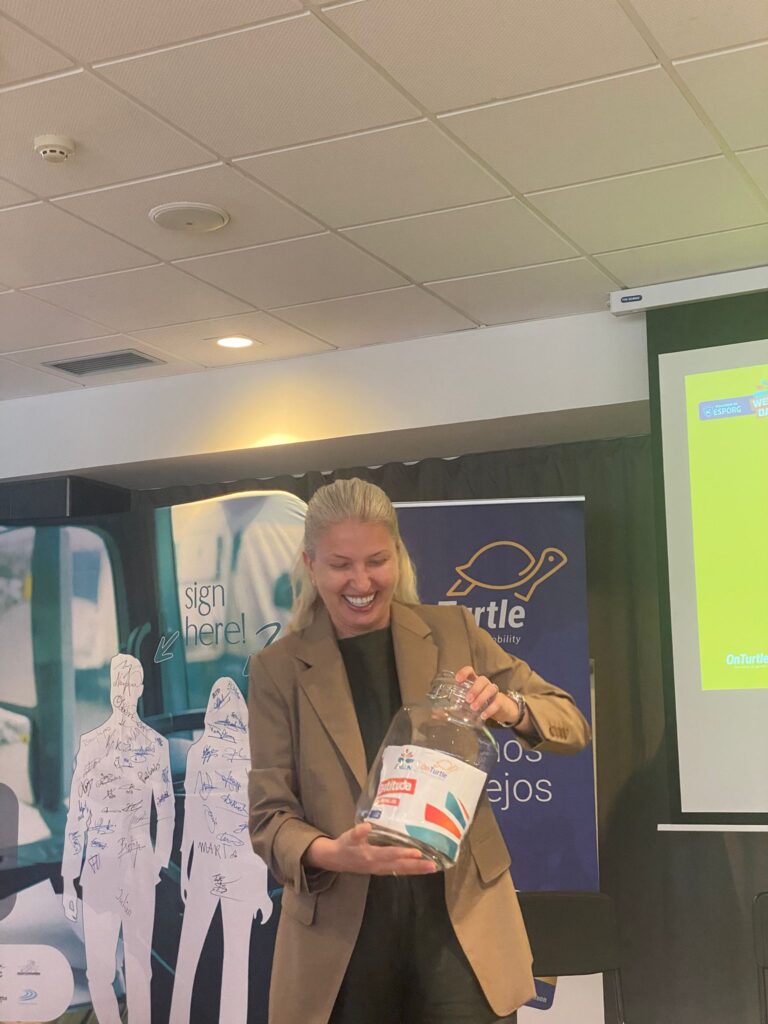
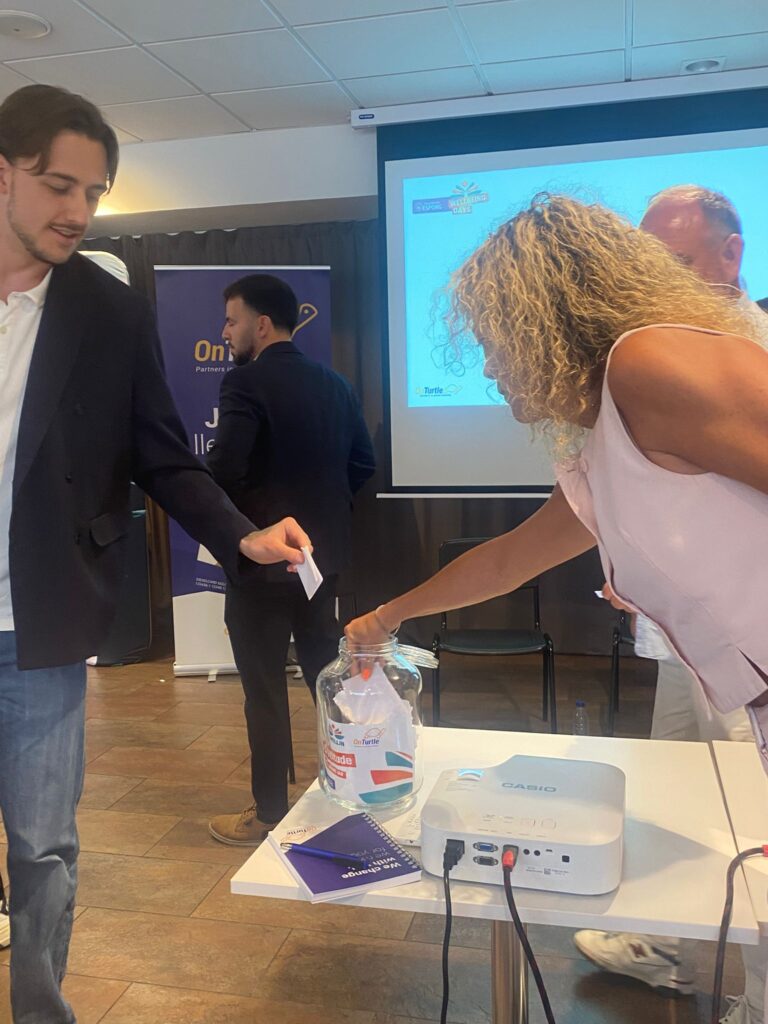
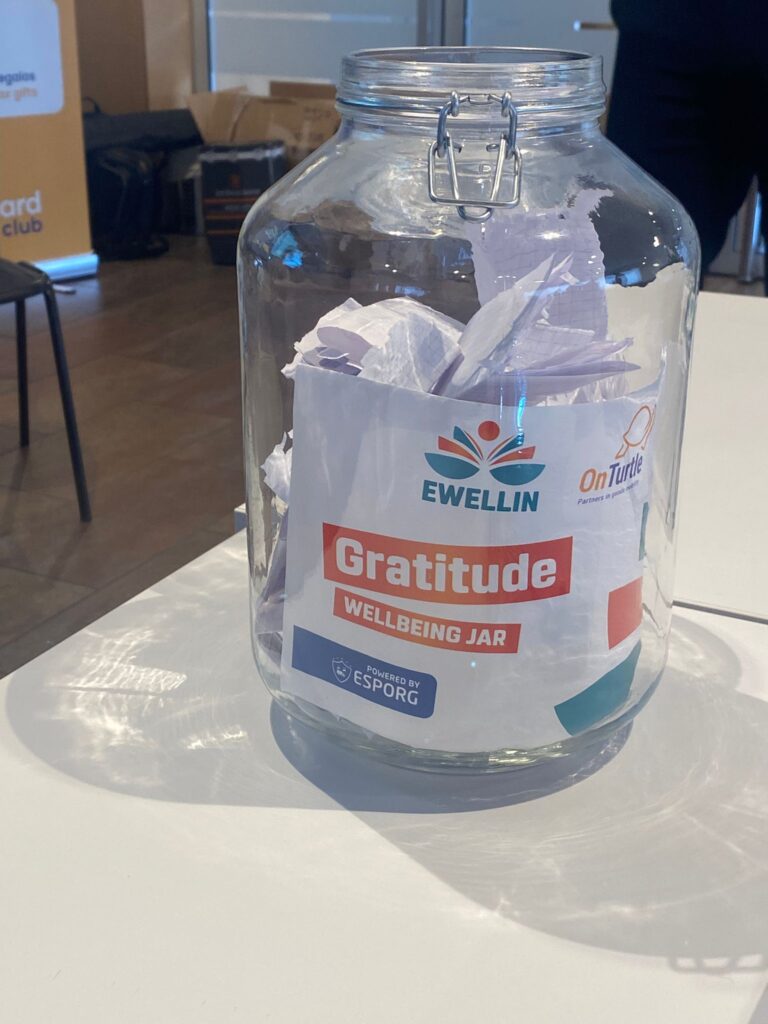
This message resonated throughout the day, beginning with a symbolic and highly engaging Gratitude Jar activity, where participants were invited to leave messages of appreciation for truck drivers. The exercise, encouraged attendees to reflect on the essential role drivers play in keeping European supply chains moving while highlighting the importance of recognition, respect and emotional wellbeing.
Addressing the Future of Road Transport
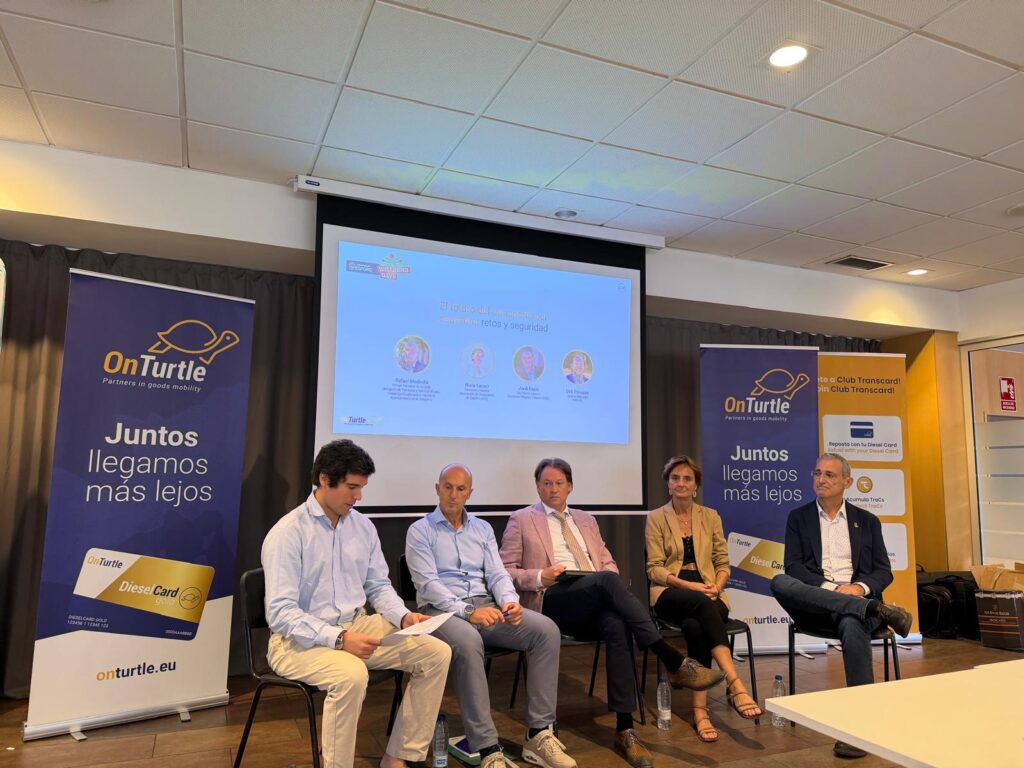
The first roundtable, “El futuro del transporte por carretera: retos y seguridad”- The Future of Road Transport: Challenges and Safety, focused on some of the most pressing issues facing the sector today.
Participants discussed the growing driver shortage, the digital transformation of transport operations, sustainability challenges and the critical need for safer infrastructure. A key topic was the severe shortage of secure truck parking across Europe. According to the latest study coordinated by ESPORG and published in 2025, the European Union currently faces a deficit of approximately 390,000 safe and secure parking spaces, a gap that directly affects driver safety, compliance with driving and rest time regulations, and the attractiveness of the profession.
Speakers explored how fatigue, stress and insufficient rest facilities impact road safety, as well as the role of advanced technologies such as telematics, artificial intelligence and Advanced Driver Assistance Systems (ADAS) in improving operational safety. The discussion also examined how Europe can make the profession more appealing to younger generations while balancing logistics efficiency with dignified working conditions.

Wellbeing as a Business Strategy
The second roundtable, “La salud y bienestar en el transporte por carretera” –Health and Wellbeing in Road Transport, highlighted the growing recognition that driver wellbeing must be embedded within corporate strategy rather than treated solely as a corporate social responsibility initiative.
Experts discussed the realities faced by drivers across Europe, including long working hours, social isolation, family separation, stress and limited access to quality facilities. The conversation emphasised the direct relationship between wellbeing and key business outcomes such as road safety, productivity and driver retention.
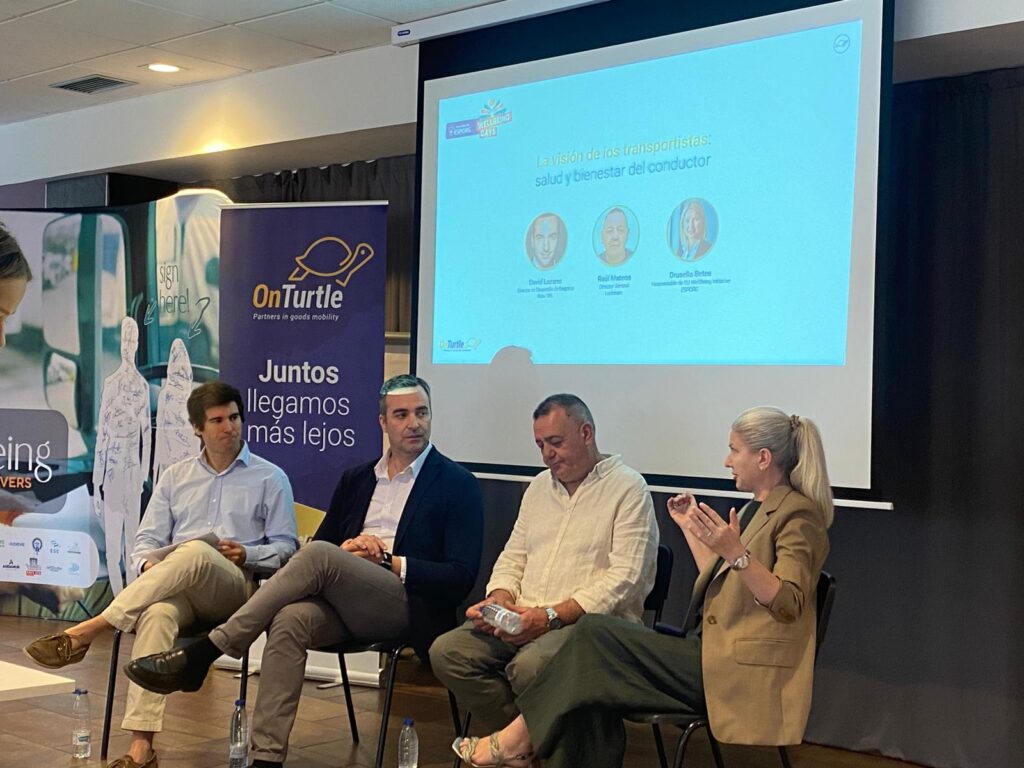
Participants also explored how transport companies can implement effective health programmes, wellbeing training and supportive organisational cultures, while examining methods for measuring the return on investment of wellbeing initiatives.
Following the discussion, attendees participated in a dedicated wellbeing activity led by Druselia Betea, reinforcing the event’s practical and interactive approach to promoting healthier lifestyles and stronger resilience among transport professionals.
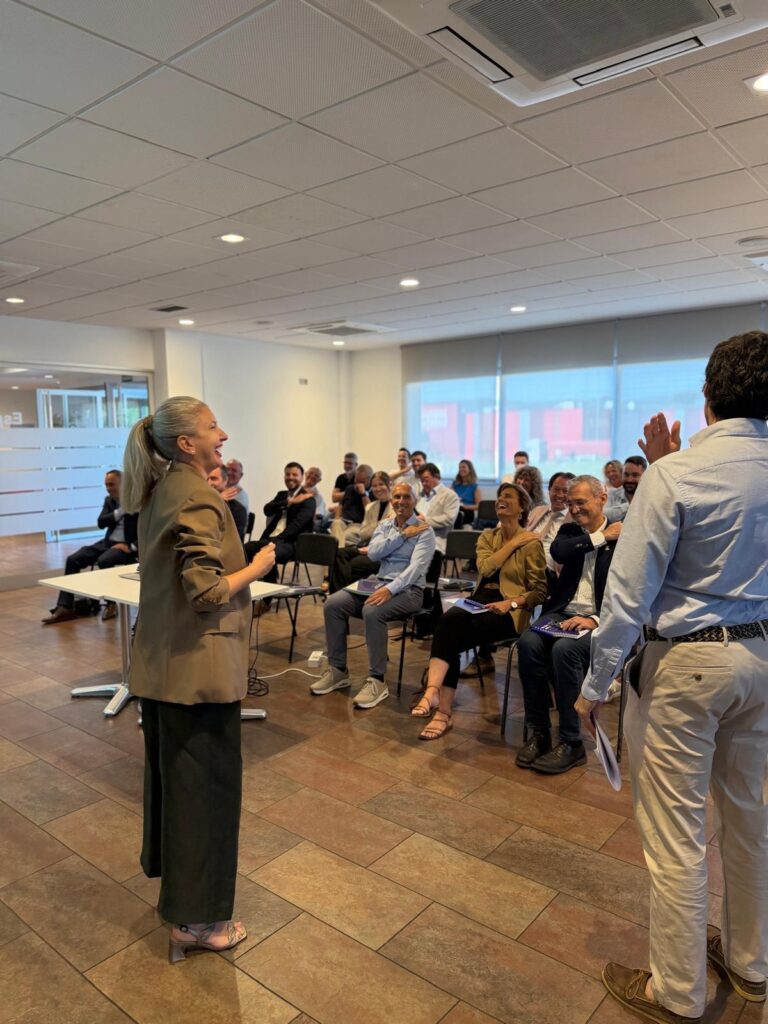
Secure Parking as a Foundation for Wellbeing
The afternoon session focused on the theme “Drive Safe: The Benefits of Secure Parking.”
The discussion reflected a growing understanding that modern secure parking facilities are no longer merely places to leave vehicles overnight. Instead, they are evolving into comprehensive wellbeing hubs that combine security, comfort, hygiene, connectivity and quality rest facilities.
Dirk Penasse underlined the importance of Safe and Secure Truck Parking Areas (SSPAs) in supporting both driver wellbeing and road safety. Without adequate secure parking infrastructure, drivers are often forced to stop in unsafe locations, increasing fatigue risks, exposing themselves and their cargo to crime, and compromising compliance with EU regulations.
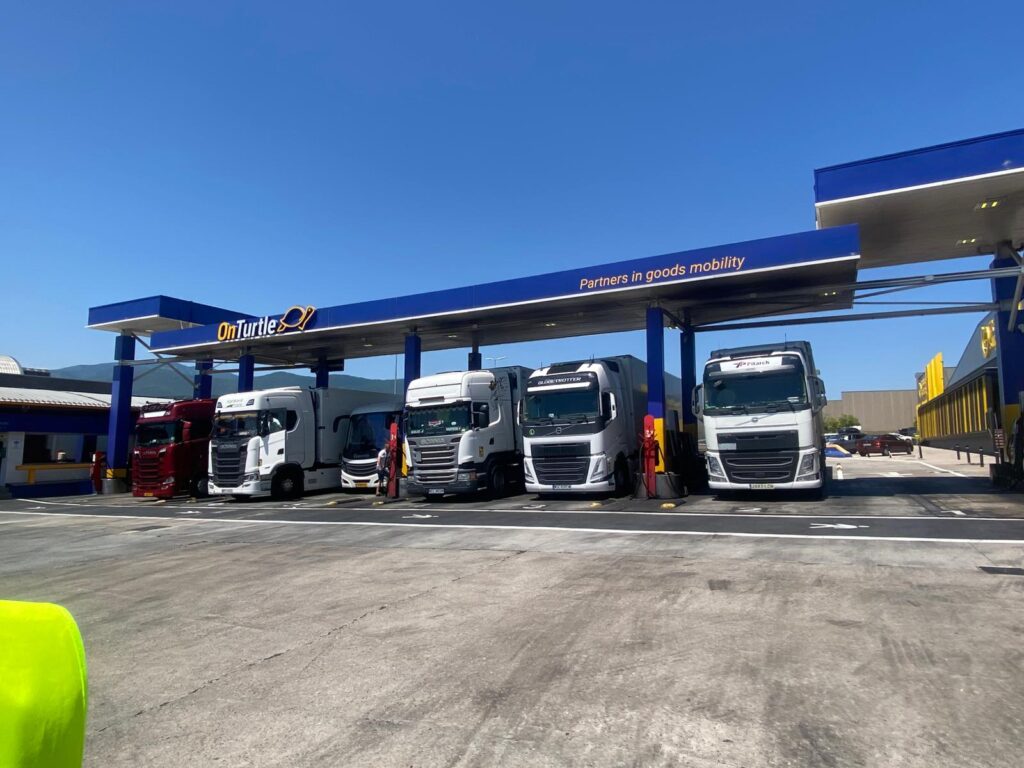
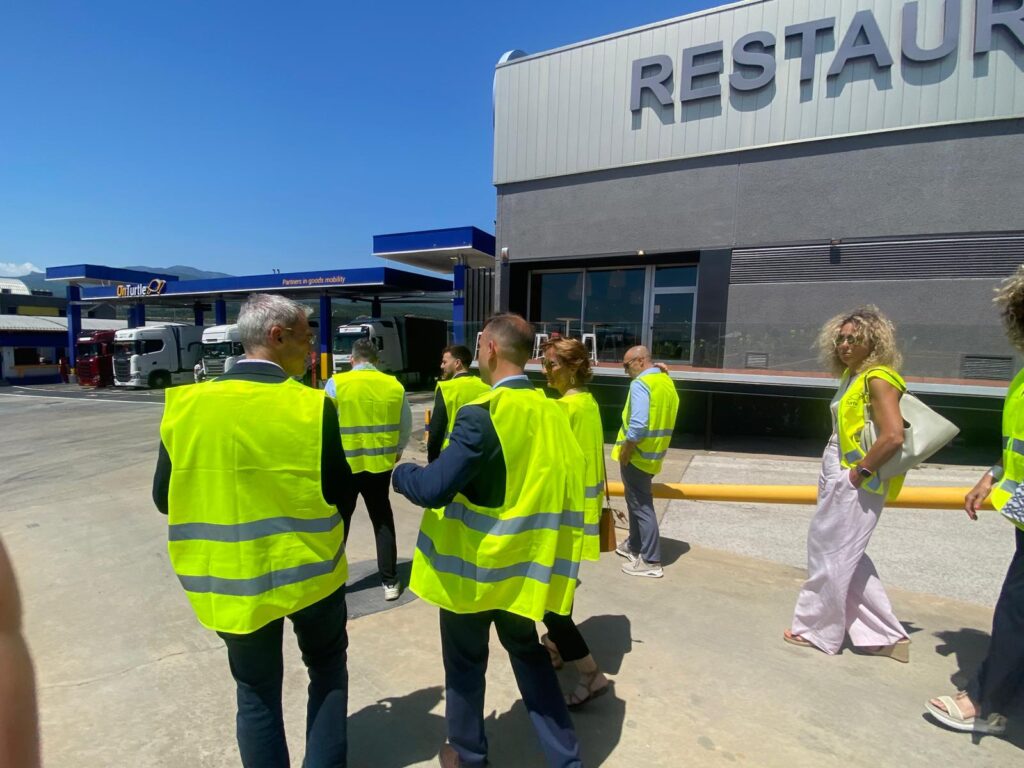
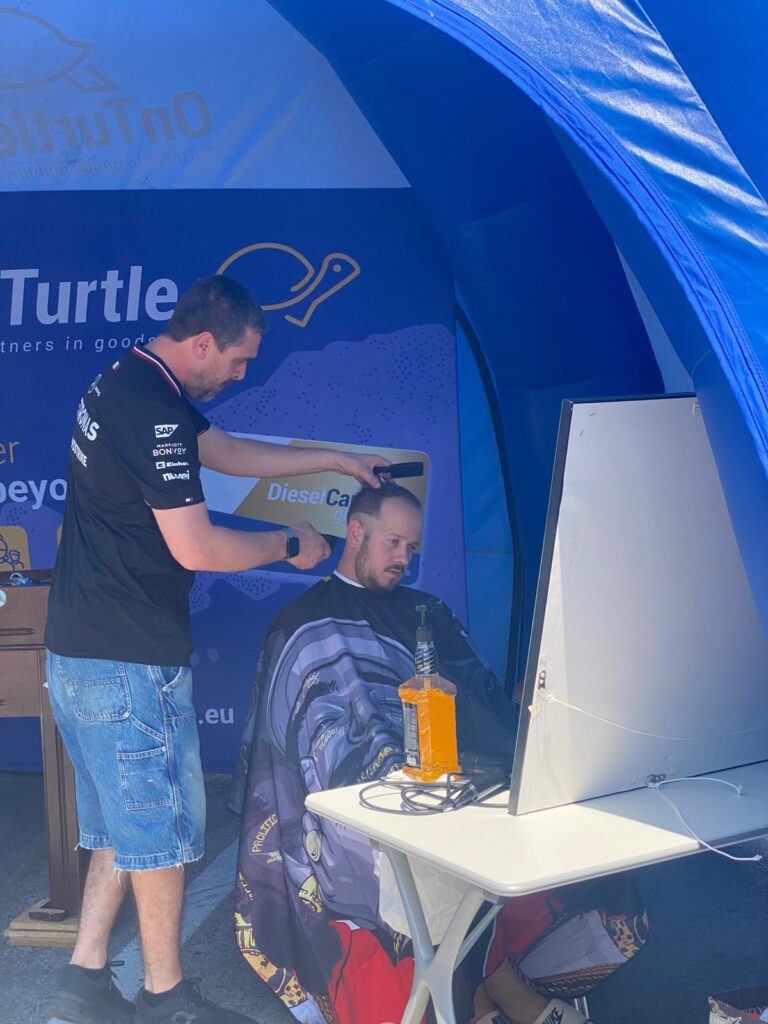
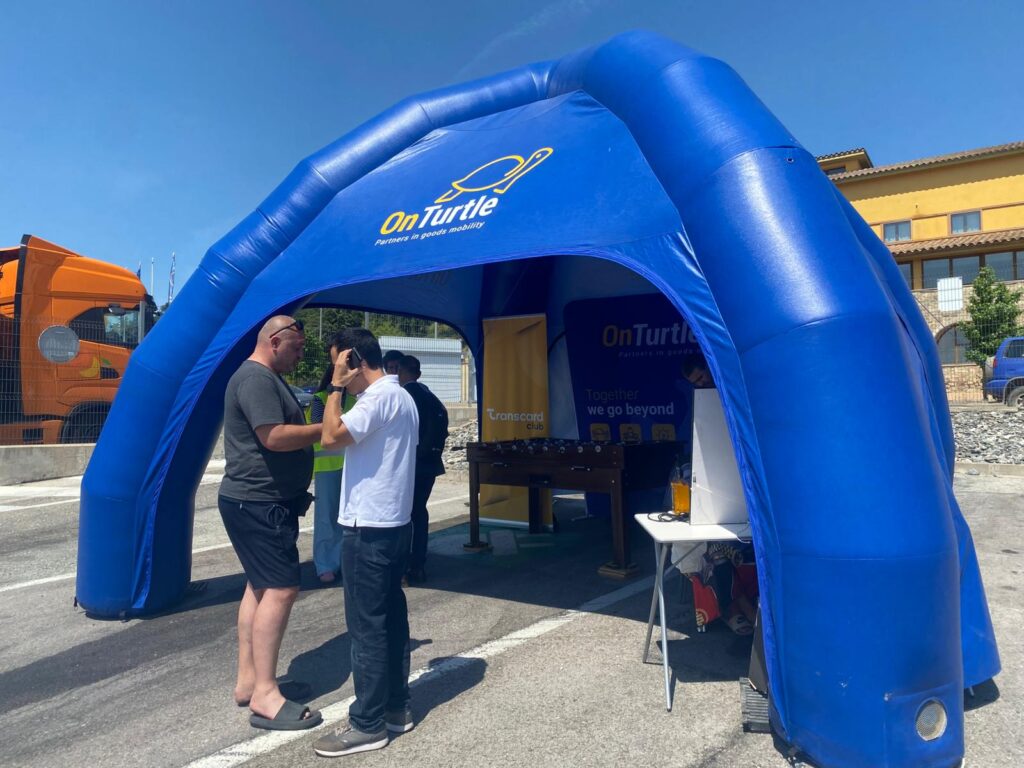
Throughout the event, OnTurtle served as a practical example of how secure parking can contribute to a better quality of life for drivers.
Located strategically on the Spain-France border, OnTurtle La Jonquera has earned a reputation as one of Europe’s leading truck parking facilities. EU-certified, award-winning and designed around the needs of drivers, the site offers secure infrastructure, high-quality services, modern facilities and 24/7 support.
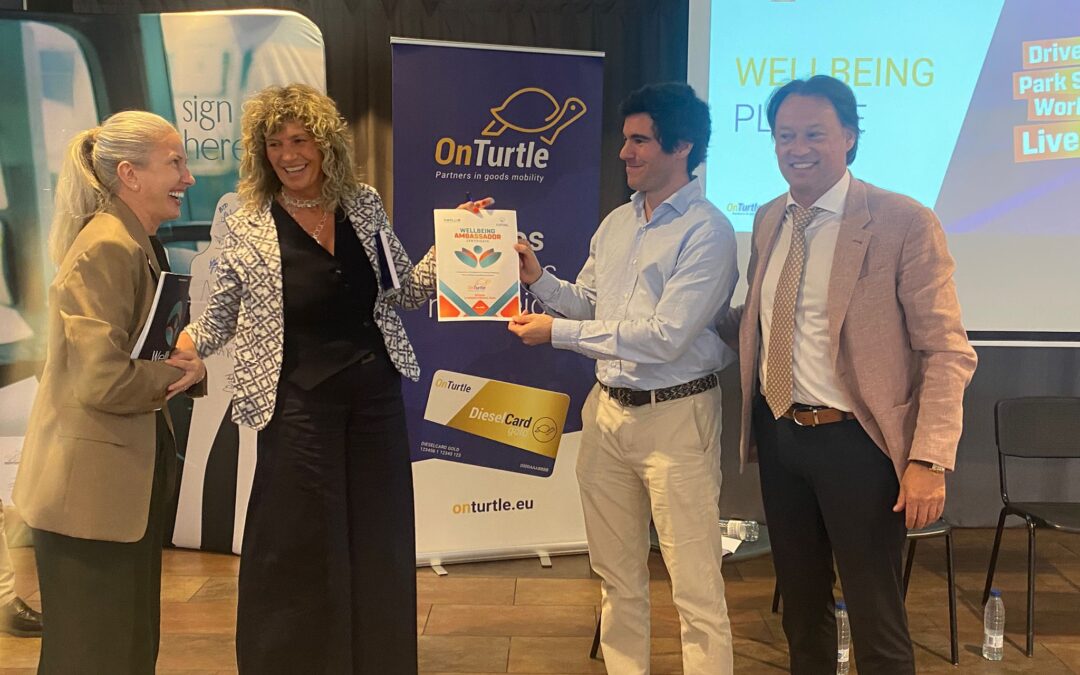
Under the leadership of Marta Fàbregas, CEO of OnTurtle together with Dorota Nowak, European Sales Director, Pere Pinto, Director of Business Development, and Pablo Combalía, Business Development Manager, OnTurtle continues to demonstrate how investment in driver-focused services can create tangible benefits for transport operators and drivers alike. On this occasion, OnTurtle received the well-deserved recognition as Wellbeing Ambassador.
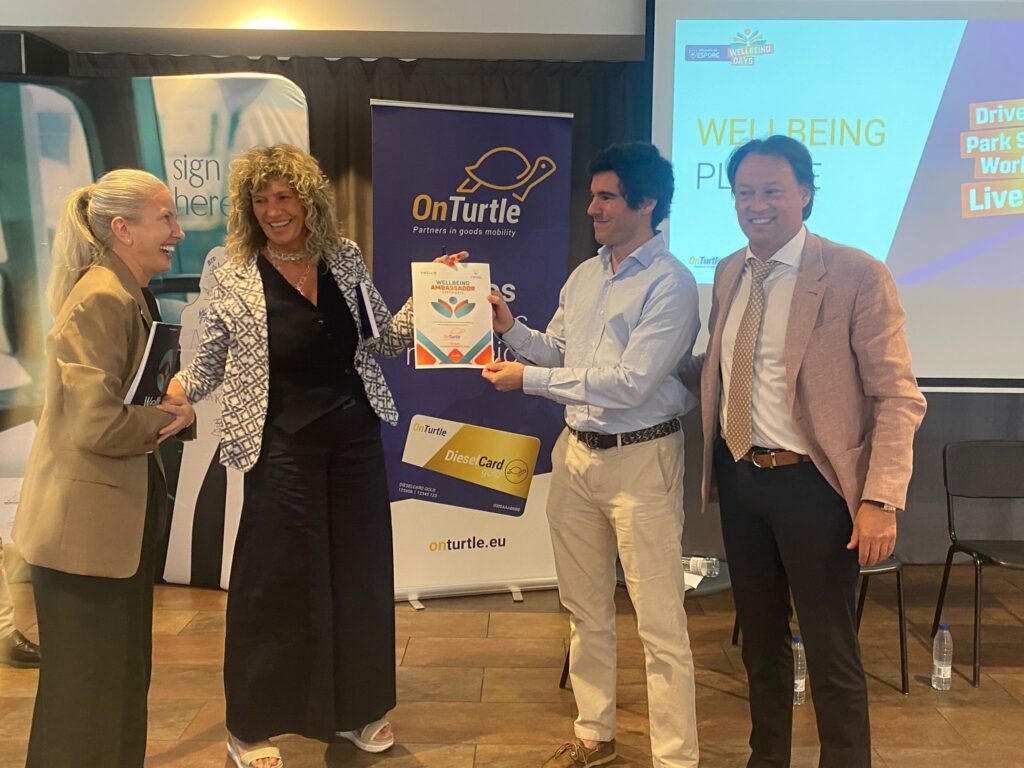
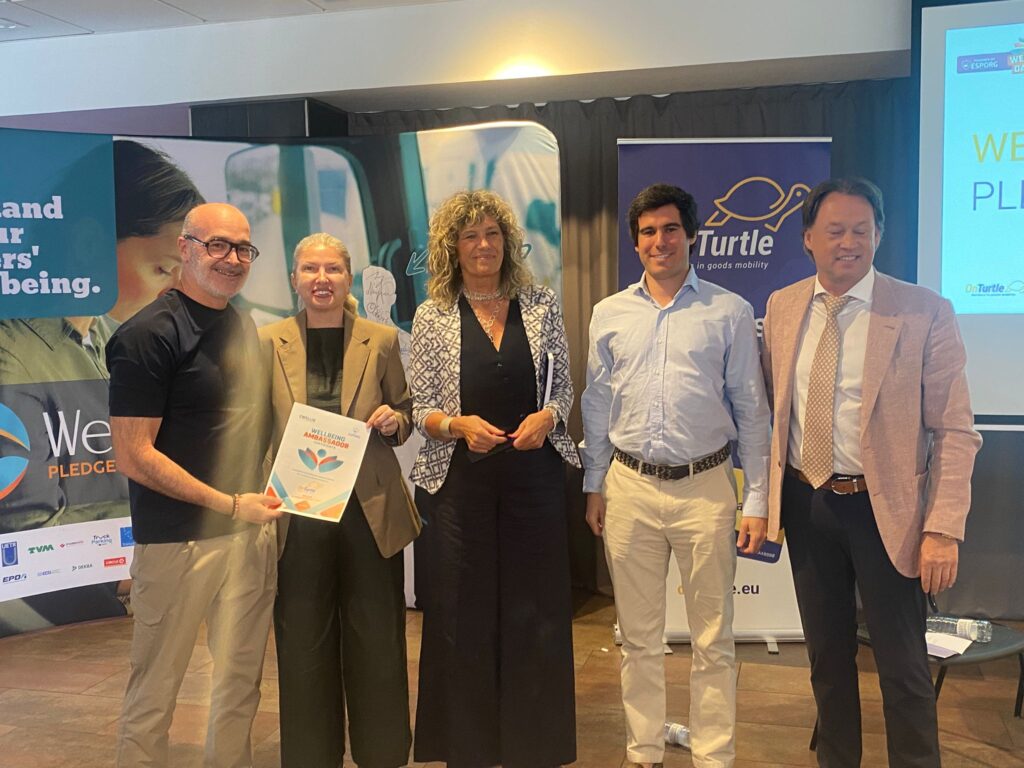
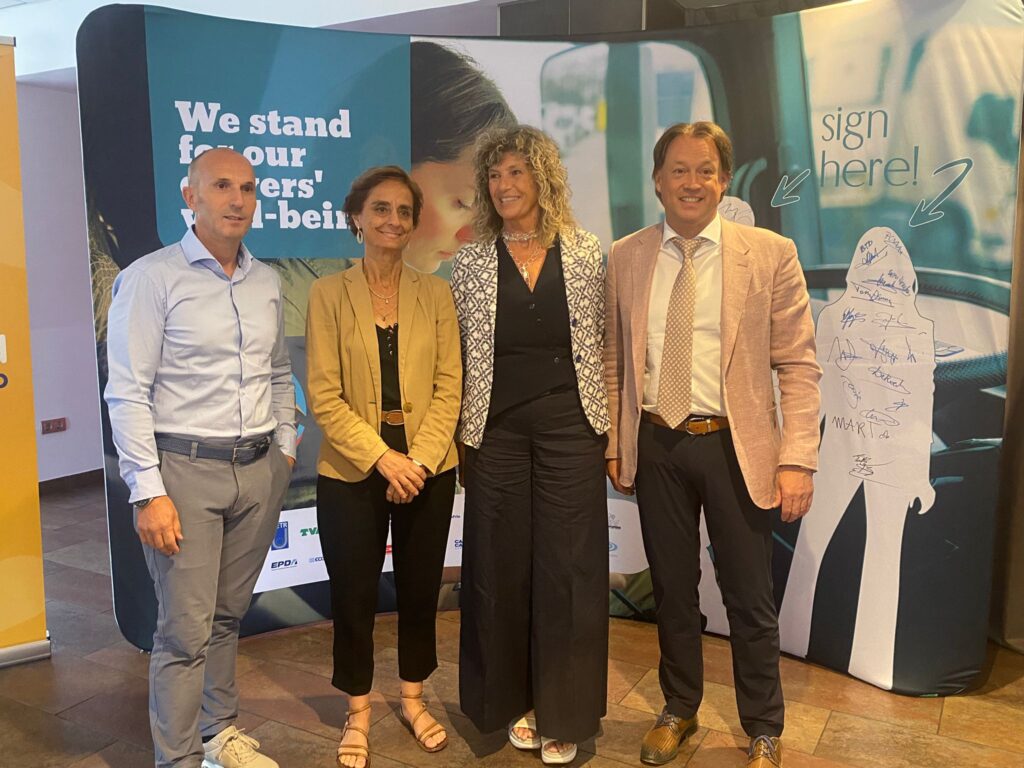
One of the highlights of the day was the signing of the Wellbeing Pledge, reinforcing the commitment of stakeholders across the transport ecosystem to place driver wellbeing at the centre of decision-making.
As the European transport sector continues to evolve, the message emerging from La Jonquera was clear: safe roads, efficient logistics and sustainable growth begin with healthy, respected and supported drivers.