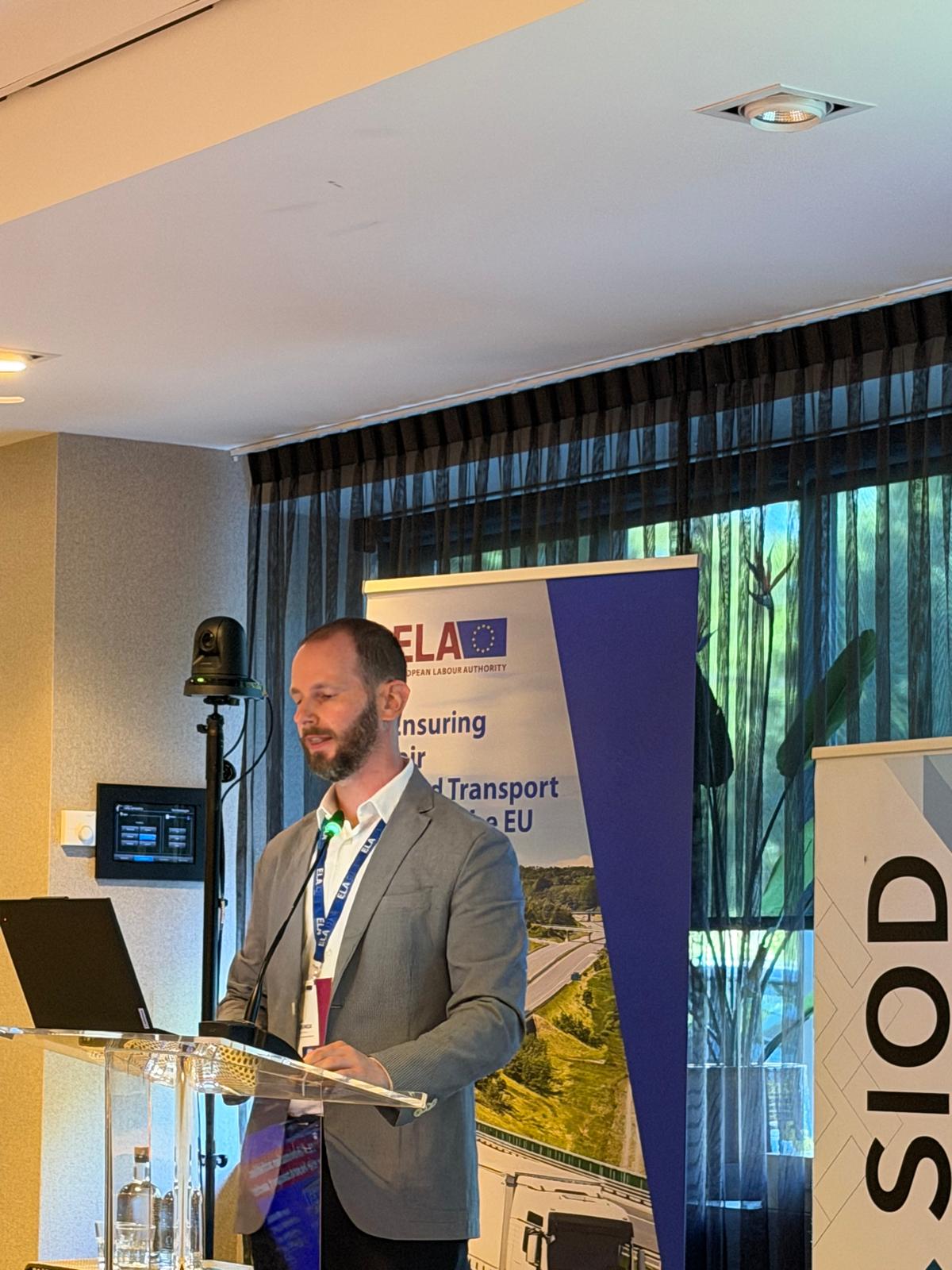
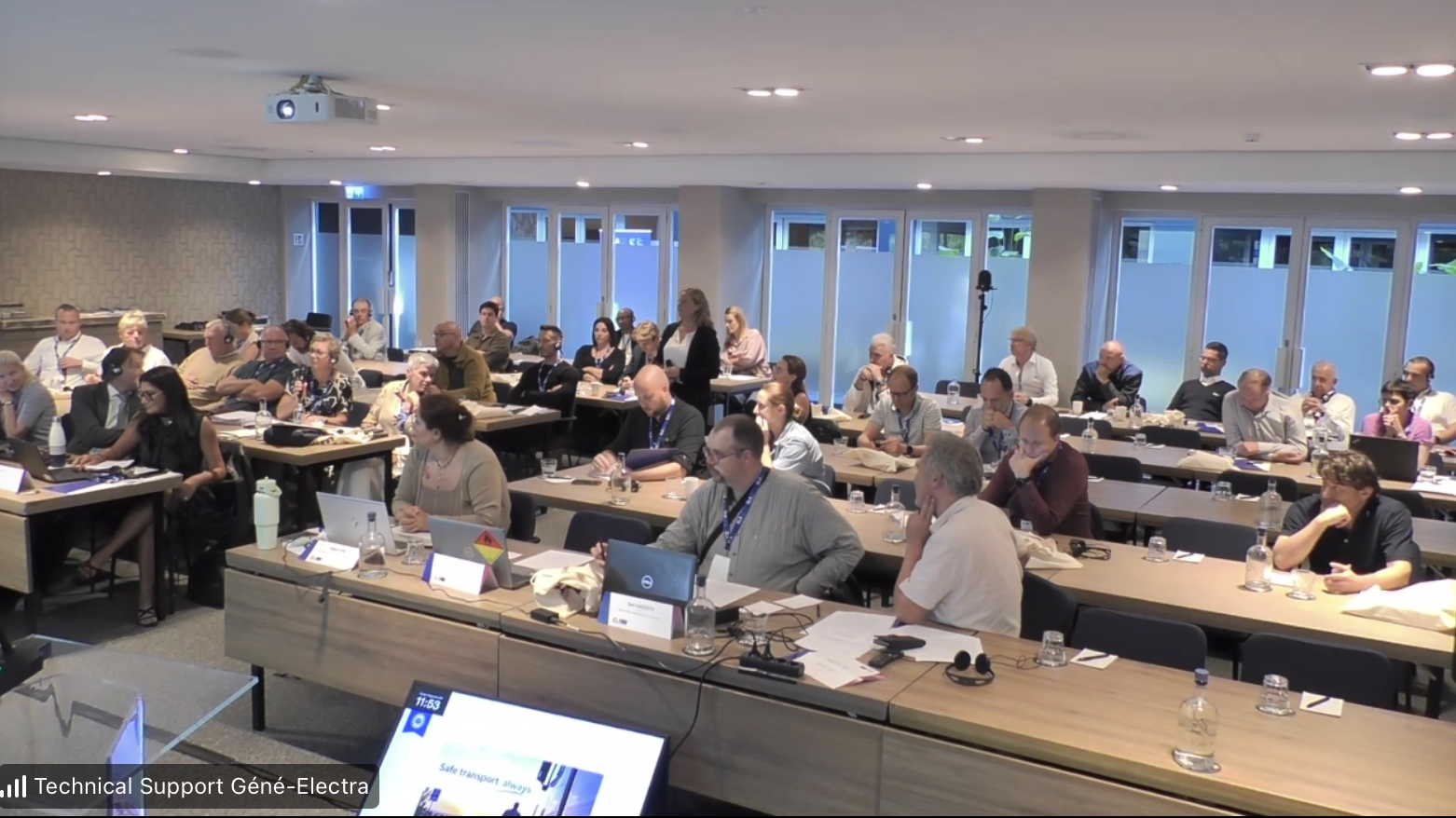
On 15 September 2026, the European Labour Authority (ELA), in collaboration with Belgium’s Social Information and Investigation Service (SIIS) and the European Secure Parking Organisation (ESPORG), organised the information seminar for road transport operators in Belgium at Antwerp.
ESPORG joined European Commmission, Belgian authorities and enforcement experts in Antwerp for the European Labour Authority seminar Succeed in the Single Market, bringing the development of Safe and Secure Parking Areas and the well-being of professional drivers to the heart of the discussion.
The programme connected EU policy with practical enforcement and operating realities. The agenda featured intervention by the Belgian Federal Government and the European Commission, followed by sessions dedicated to secure parking and the enforcement of the EU social legislation in road transport.
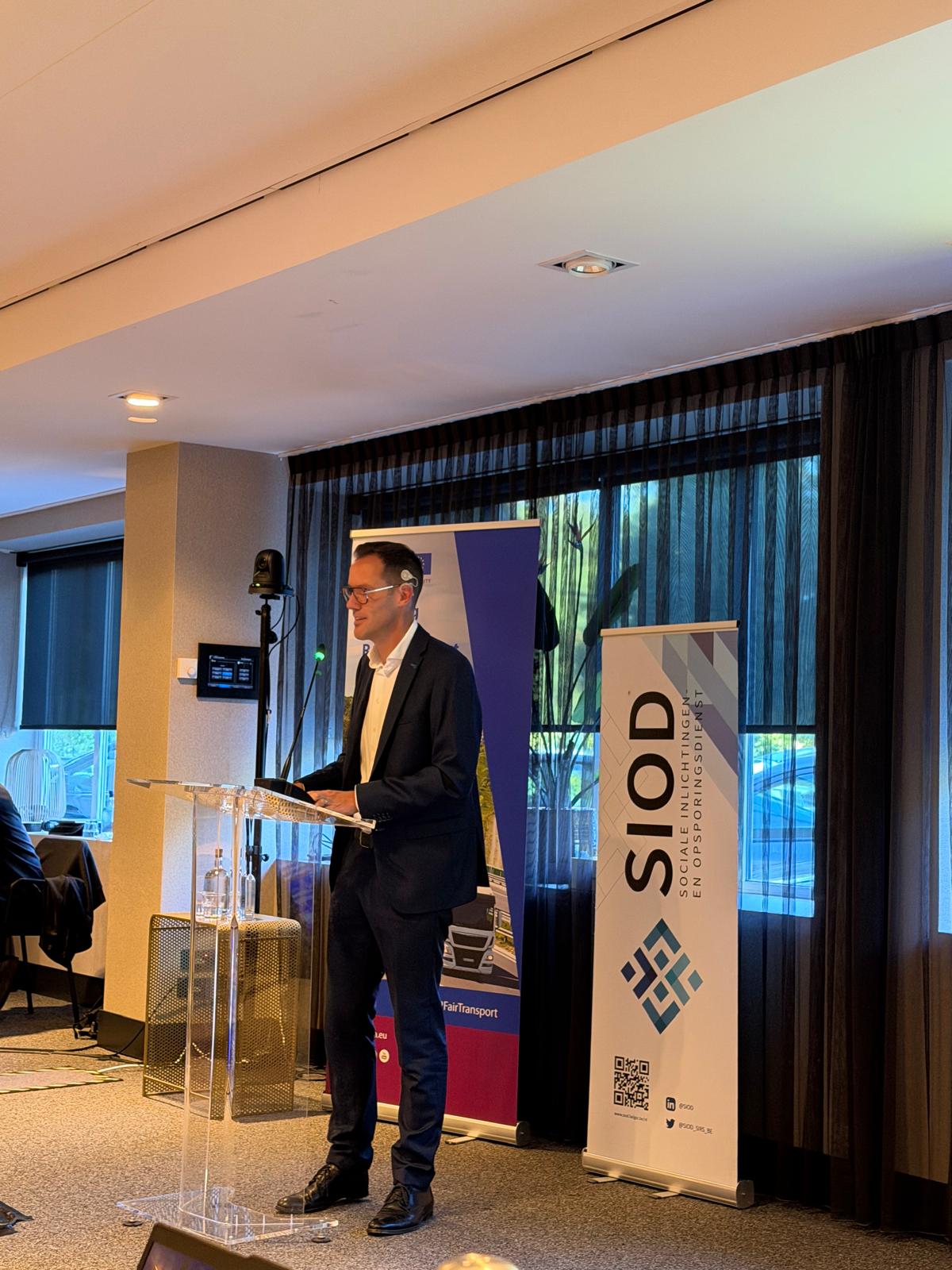
Belgian Federal Minister of Consumer Protection, the Fight against Social Fraud, Persons with Disabilities and Equal Opportunities – Rob Beenders,opened the seminar by stressing that stronger, coordinated European enforcement is essential to ensuring fair competition and better working conditions for professional drivers.
Safe and Secure Parking Areas (SSPA): why it matters for rest and safety
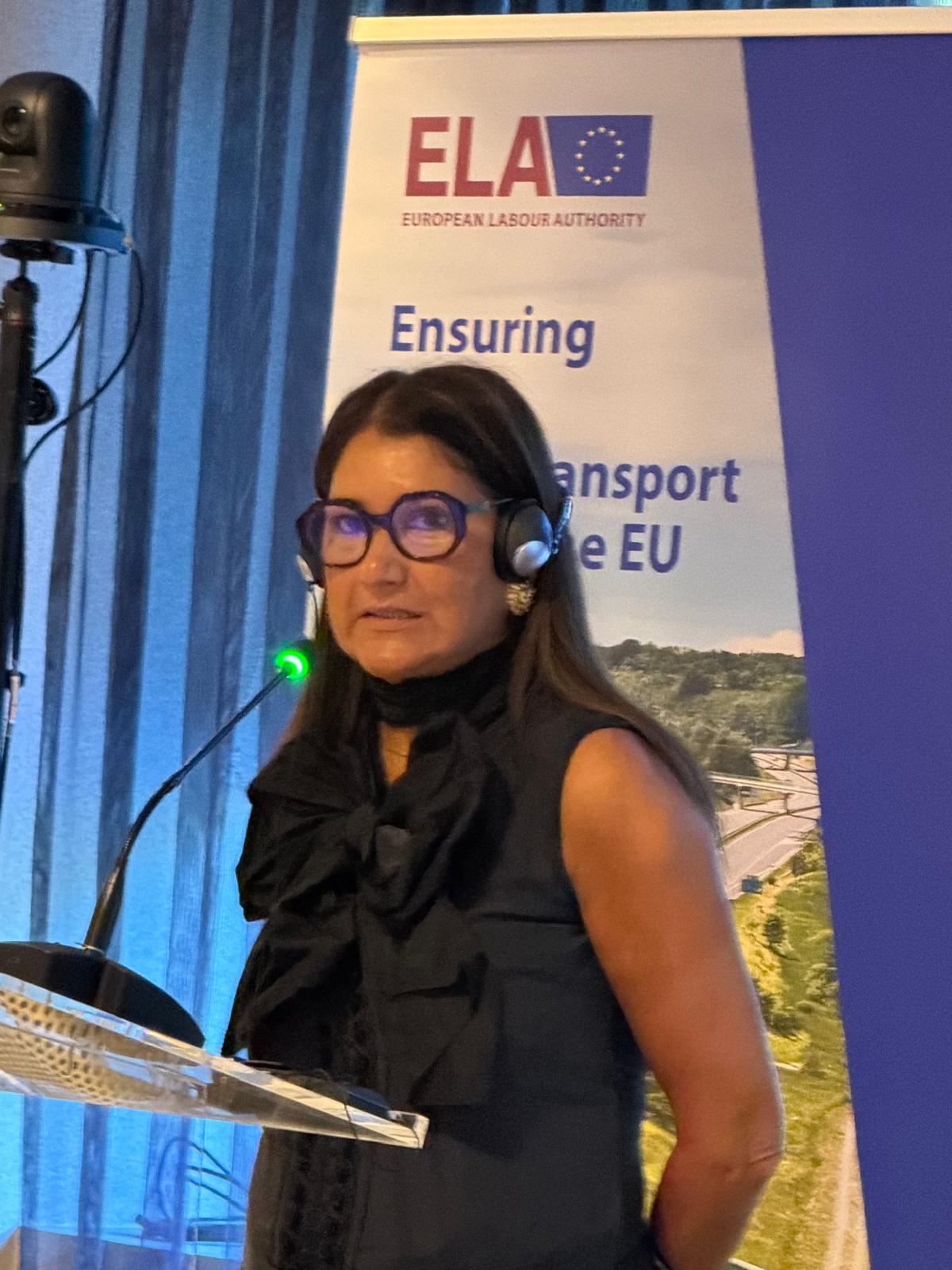
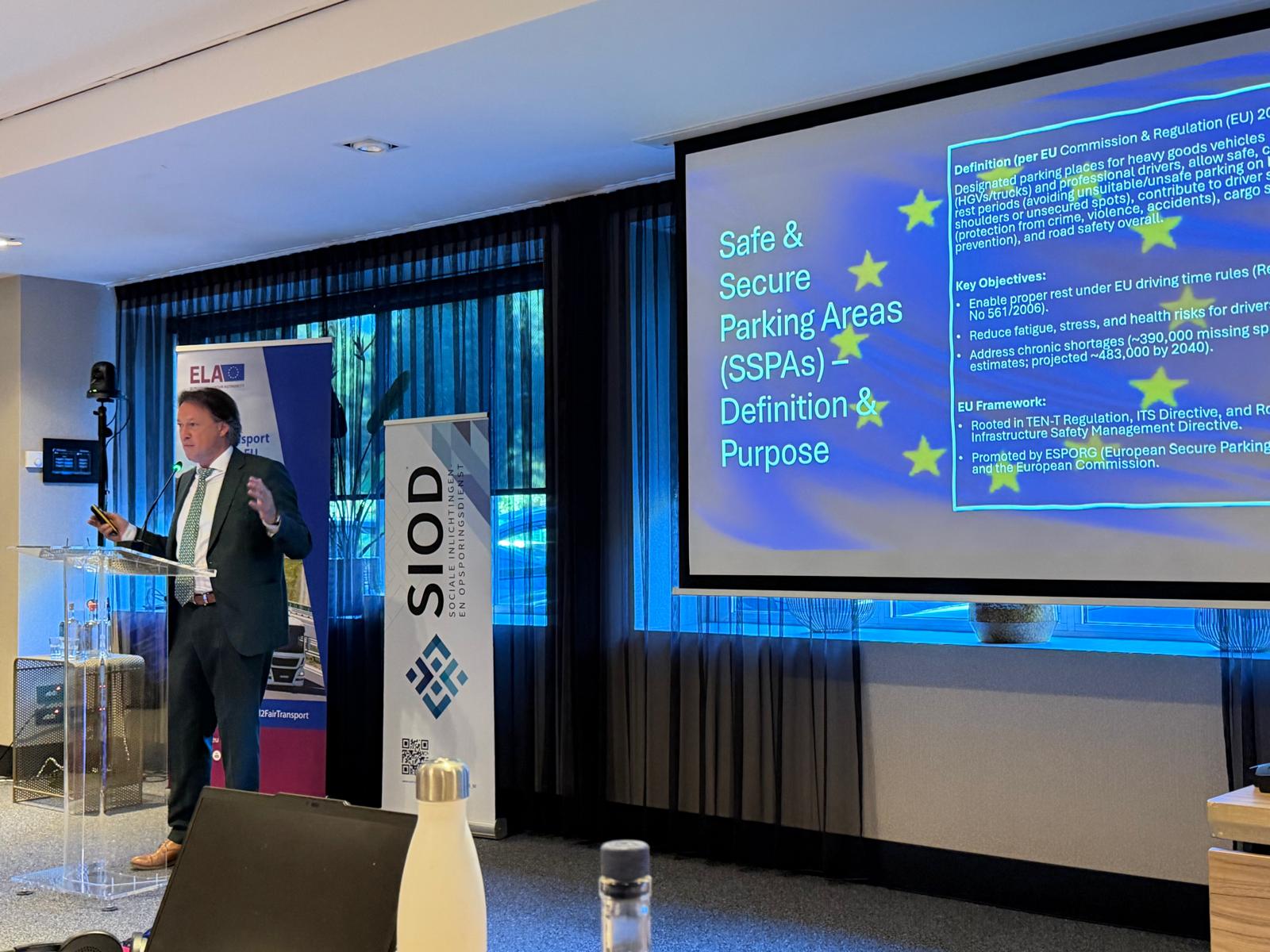
Ana Pereira de Miranda, European Commission, DG MOVE, presented the European perspective on the importance of SSPAs.
The discussion highlighted the scale of the challenge: around 395,000 certified parking spaces are needed nightly across the EU, while only around 1% are currently certified under the EU standard. Closing this gap is essential not only for security but also for implementing social rules and preparing road freight for the green transition.
The next generation of SSPAs will increasingly combine security, decarbonisation, digitalisation and driver well-being. Charging for zero-emission heavy-duty vehicles, real-time occupancy information and booking, better services for drivers and greater network resilience are all becoming part of the discussion.
The message for the sector was clear: infrastructure investment must start well ahead of Europe’s 2040 objectives.
SSPA in practice & network outlook
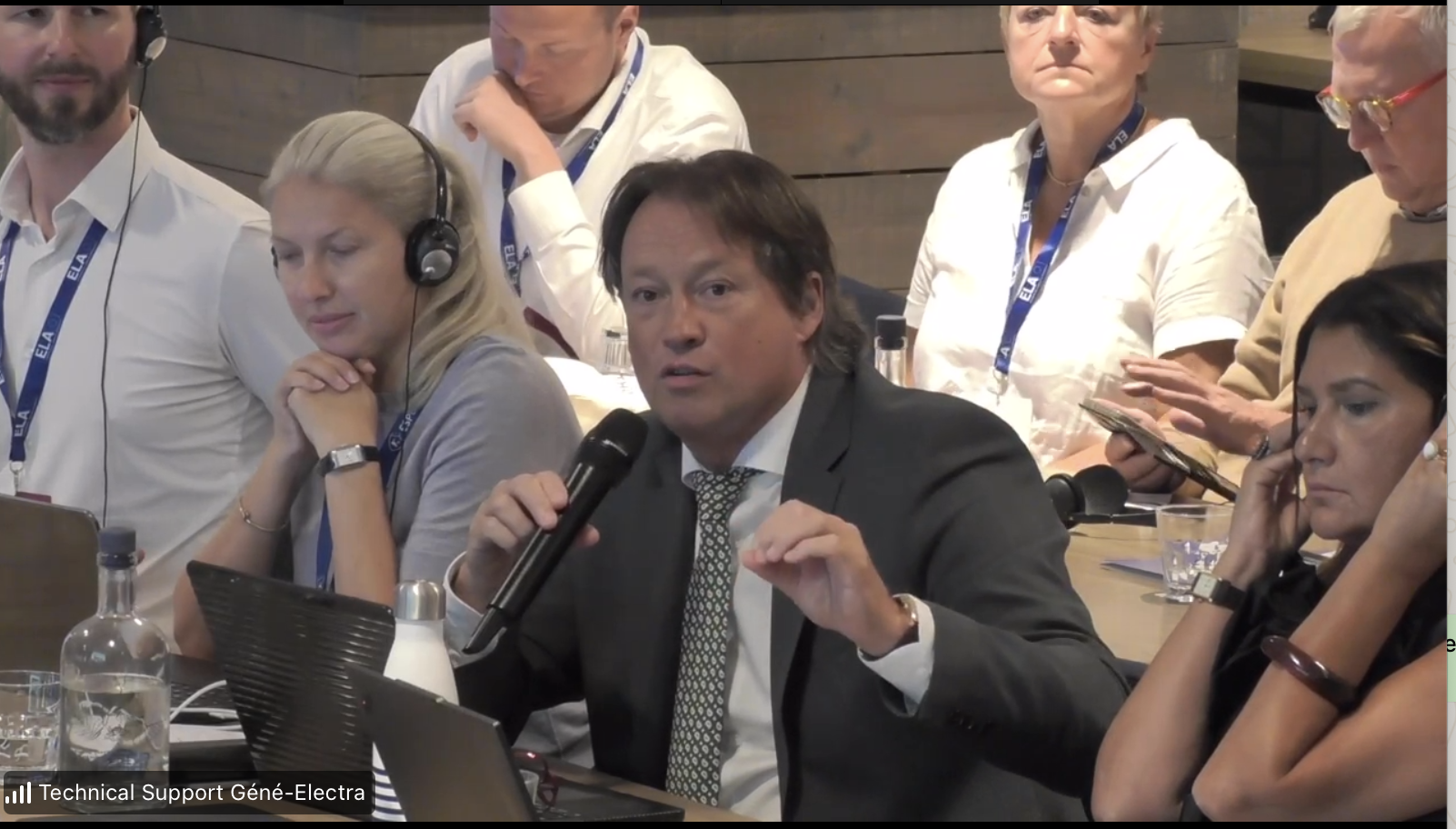
Taking the discussion from policy to implementation, Dirk Penasse, General Manager of ESPORG, focused on what the development of the European SSPA network means in practice.
“Parking has evolved from being a simple infrastructure to becoming a service hub and a strategic asset.”
For ESPORG, Europe needs more than additional parking capacity. Parking areas are becoming multifunctional transport hubs, combining cargo and vehicle security with clean sanitary facilities, showers, connectivity, digital services and, increasingly, charging infrastructure.
The human dimension is equally important. Drivers need places where they can genuinely rest and recover. This becomes particularly relevant when European social rules are considered alongside the continuing shortage of suitable parking and accommodation.
ESPORG therefore advocates an approach in which security, services, sustainability and driver well-being develop together. Safe and secure parking should make it easier for operators and drivers to comply with European rules rather than leaving infrastructure and enforcement disconnected.
Driver well-being: creating a “Home Away from Home”
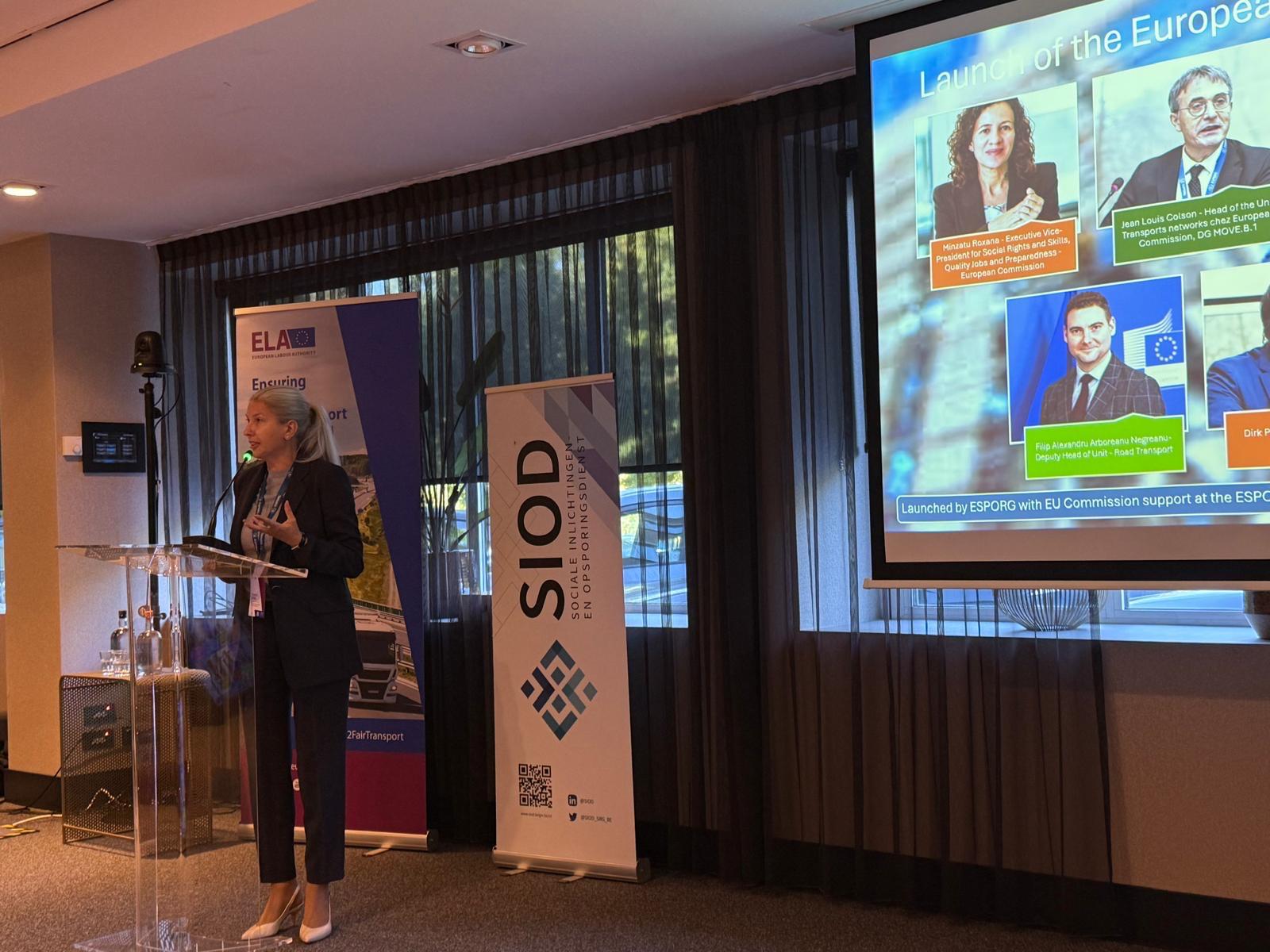
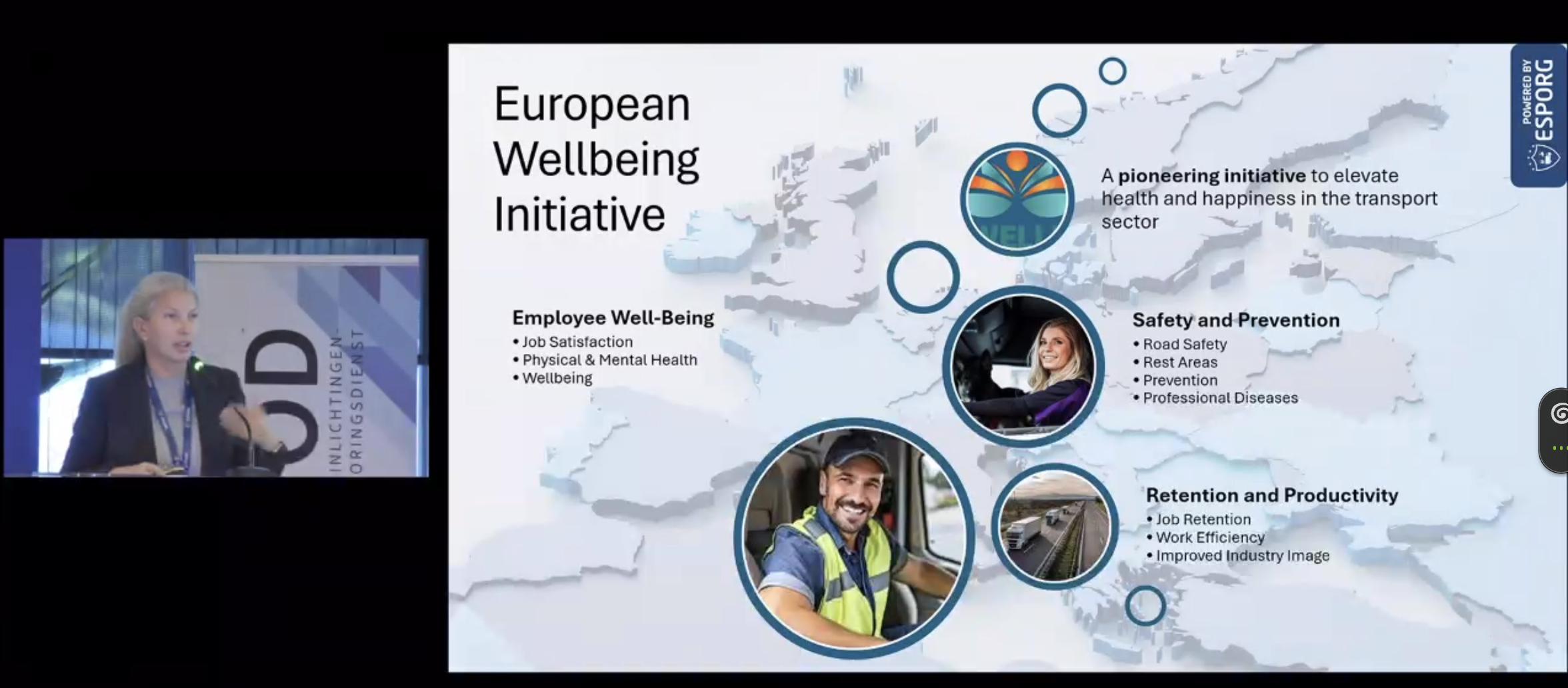
Druselia Betea, Head of the European Wellbeing Initiative powered by ESPORG reinforced the human dimension behind ESPORG’s vision for the future of truck parking.
Professional drivers face high levels of stress and fatigue as well as significant health challenges, while the sector continues to confront an ageing workforce and a serious driver shortage.
The European Wellbeing Initiative responds with its “Home Away from Home” concept: parking environments where drivers can rest safely, maintain their health and feel respected as professionals.
“Only by working together — every part of the supply chain doing its best — can we truly improve drivers’ wellbeing.” said Druselia Betea.
The initiative focuses on practical areas including nutrition, hydration, sleep hygiene and physical activity, alongside the development of a well-being label recognising parking operators and companies committed to improving conditions for drivers.
The principle is simple but important: a truly safe parking area protects not only the vehicle and cargo, but also the person behind the wheel.
Mobility Package I –Driving and rest time rules – Use of tachograph – posting of drivers and rules of remuneration
The agenda then connected the parking debate directly with enforcement. The Local Police of Antwerp’s transport section addressed “Driving and rest time rules” and the “Use of tachograph” . His intervention demonstrated the practical difficulties authorities encounter when enforcing weekly-rest requirements. Regular weekly rest of 45 hours or more cannot be taken inside the vehicle, and employers are responsible for organising and paying for appropriate accommodation.
Experience from inspections around Antwerp also illustrated what happens when demand dramatically exceeds appropriate infrastructure. Authorities have encountered overcrowded parking facilities and drivers improvising communal living spaces because suitable alternatives were unavailable.
This reinforced one of the day’s central themes: effective enforcement and adequate infrastructure have to go hand in hand.
The afternoon agenda continued this practical focus through “Mobility Package I – Part 2: Posting of drivers,” “Belgian practice – How to operate to ensure quick and effective roadside check,” “French practice – posting of drivers and rules of remuneration,” and the application of Mobility Package I to LCVs engaged in international carriage or cabotage.
ELA presentation – Overview of information activities in road transport sector
Ivan Mekinda – ELA presented the Authority’s information activities for the road transport sector, another dedicated session on the official agenda.
ELA’s role in providing accessible information on driving and rest times, posting, tachographs and other cross-border requirements complements the work of national enforcement authorities and sector organisations.
The Antwerp seminar also followed ELA’s 13 September roadshow for HGV drivers at the Circle K Jabbeke North SSPA, where representatives engaged directly with drivers and launched a permanent ELA information corner.