
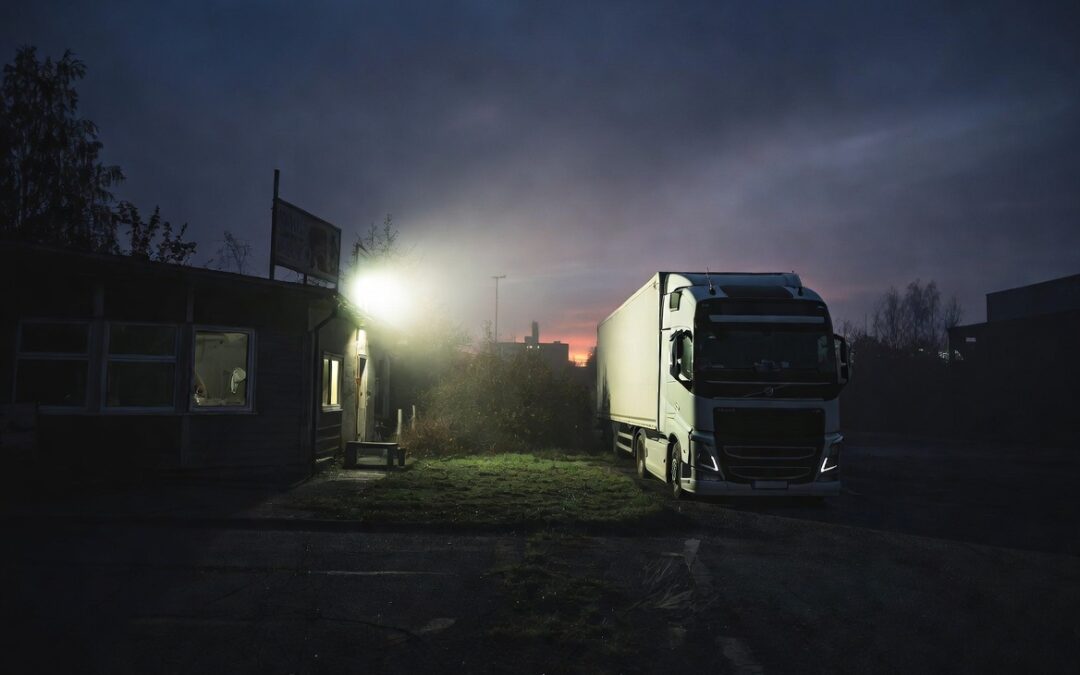
A new report released on May 20, 2026 by Transportarbetareförbundet, Sweden’s Transport Workers’ Union, reveals extensive shortcomings in the country’s rest and parking areas for professional truck drivers. Titled Professional drivers caught between EU law and Swedish reality, the report highlights how inadequate infrastructure is undermining road safety, driving compliance, and working conditions.
A System Under Pressure
According to the report, Sweden’s rest areas are too few in number, often fully occupied, and poorly designed. Many fail to meet EU regulatory standards, forcing drivers to stop in unsuitable locations such as U-turns, on- and off-ramps, or industrial areas. This situation contributes to driver fatigue and stress, increasing the risk of accidents on the road.
Professional drivers report that designated rest areas are often overcrowded, poorly maintained, or unsuitable for overnight stops. As a result, many are forced to park in locations not intended for rest, including industrial zones, highway ramps, or emergency turning areas.
The consequences extend beyond inconvenience. Drivers frequently face situations where they must choose between complying with EU driving and rest time regulations or continuing to search for an available parking space.
The lack of proper parking facilities also creates widespread issues with EU rules on driving and rest times. 80% of professional drivers report being forced to violate these regulations due to insufficient places to stop, with 35% stating this occurs multiple times. Overall, 86% of drivers feel there are not enough rest areas available.
Safety and Working Environment Concerns
Many drivers perceive rest areas as unsafe, particularly in the evening and at night. Only 25% consider them safe during these hours. Basic facilities are frequently inadequate, with 57% of drivers often struggling to find rest areas with functioning toilets. Concerns about theft, vandalism, and secluded locations are common.
Female Drivers Face Additional Challenges
Particular attention is given to the experiences of female drivers, who describe additional challenges related to privacy, personal safety, and hygiene.
According to the report, 69 % of female drivers believe current rest areas are not designed with women’s needs in mind. Concerns include insufficient lighting, long walking distances to facilities, and a lack of secure, adapted hygiene spaces.
As the transport industry continues efforts to improve diversity and attract more women into the profession, the report suggests that infrastructure shortcomings risk becoming a barrier to recruitment and retention.
Tommy Wreeth, Chairman of Transport, described the situation as unacceptable: “It is impossible to accept that professional drivers are forced into involuntary violations of the law due to lack of infrastructure”. He emphasized that the current system represents a systemic failure, where society creates the problem through insufficient infrastructure and then penalizes drivers for non-compliance.
Calls for a National Strategy
The report stresses that rest areas are essential for safe and secure professional driving. As EU requirements for rest areas become stricter, Sweden currently lacks a clear national strategy to meet future standards, particularly regarding high levels of safety and service.
Transportarbetareförbundet is calling for:
- A national, comprehensive approach to the rest area issue.
- Recognition of rest areas as critical work environment and road safety infrastructure.
- Capacity planning based on actual traffic flows and vehicle development.
- Integration of safety and equality into rest area design.
- A clear government strategy to fulfill EU requirements.
“Rest areas are a prerequisite for professional drivers to be able to perform their work safely and securely,” said Wreeth. “Is poor lighting and broken toilets acceptable in an office? A national strategy is needed where the state, municipalities and private actors take joint responsibility for solving today’s unacceptable situation.”