Brussels, 20 July 2026 — The European Wellbeing Initiative powered by ESPORG successfully launched the Women Wellbeing Working Group with its kick-off meeting on 16 July 2026. Led by Druselia Betea, Head of EWELLIN, this new platform brings together pioneering organisations to address barriers for women in professional road transport and build a more attractive, safe, and inclusive sector.
The meeting highlighted a clear vision: by combining forces across the entire supply chain, the industry can solve the growing driver shortage while advancing gender equality and wellbeing.
IRU Opens with the Global and European Picture
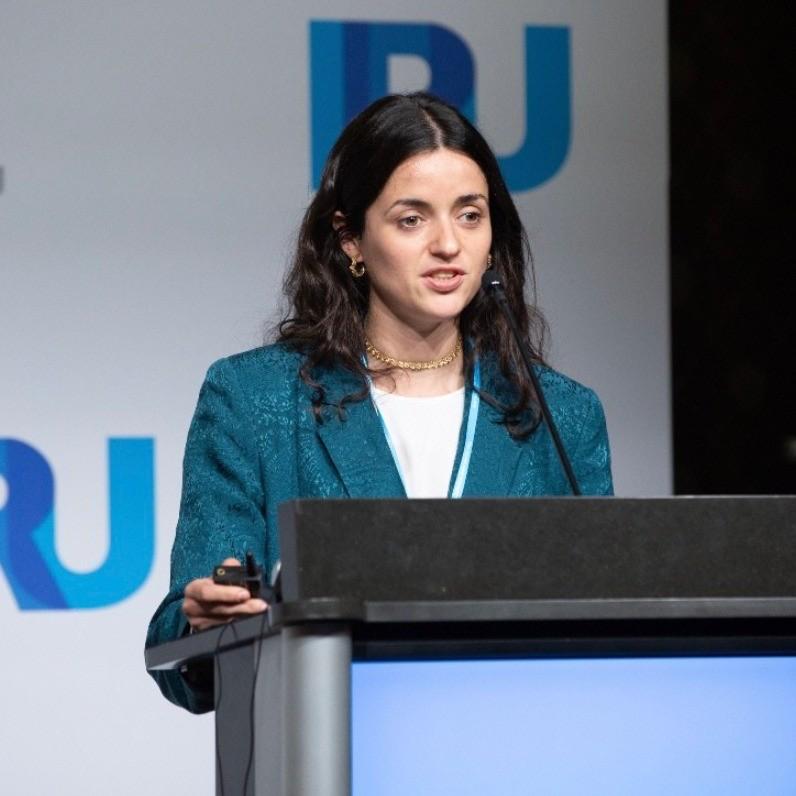
Clara Sánchez López (Policy Adviser, IRU) emphasised that women represent only around 4% of truck drivers in Europe, despite their excellent safety records. She outlined persistent barriers — stereotypes, unfriendly cultures, lack of role models, and inadequate facilities — and presented the IRU Charter for Women in Road Transport along with practical toolkits.
“Making road transport more attractive to women requires the whole sector to work together and focus on practical change. This Working Group creates a valuable space to connect expertise across the transport and logistics chain, identify what works in practice and turn those lessons into measures that can make a real difference for women drivers.” — Clara Sánchez López, IRU
ATRI Brings Transatlantic Research Insights
Rebecca Brewster (President, ATRI) and Andrew Fain shared U.S. findings showing parallel challenges: insufficient safe parking, limited exercise opportunities, and access issues. Women comprise just 4.7% of over-the-road drivers but are statistically safer. ATRI recommends supportive training and family-aware policies.
“It was great to be a part of the inaugural meeting of the Women Wellbeing Working Group,” said American Transportation Research Institute President Rebecca Brewster. “It was gratifying to see the collective commitment to making the transportation work environment more inclusive and safer for women and we were excited to share ATRI’s research on these critical topics with the group.”
BSEC-URTA Showcases Proven Best Practices
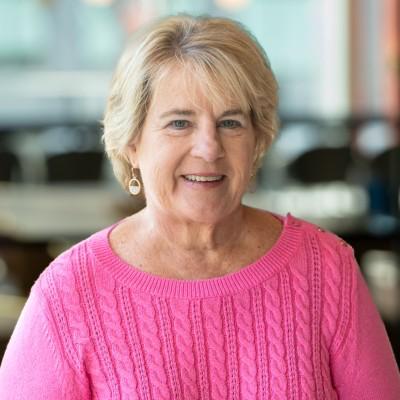
Elif Nuhoglu (BSEC-URTA) presented the UND Women Truck Driver Academy in Turkey — a comprehensive public-private model with accredited training, employment pathways, and government incentives. Elizabeta Ivanovska (BEST MOBILITY – NTA, Republic of North Macedonia) highlighted its potential as a regional best practice for the Black Sea area to combat shortages and boost female participation.

ESPORG Drive Collective Action
Mirjam Frakulla (ESPORG) detailed parking study results: women drivers report major concerns with safety, cleanliness (>60%), and threats (~70%). The group agreed that infrastructure, training, mentoring, and enforcement must advance together.

Lady Truckers’ Voice
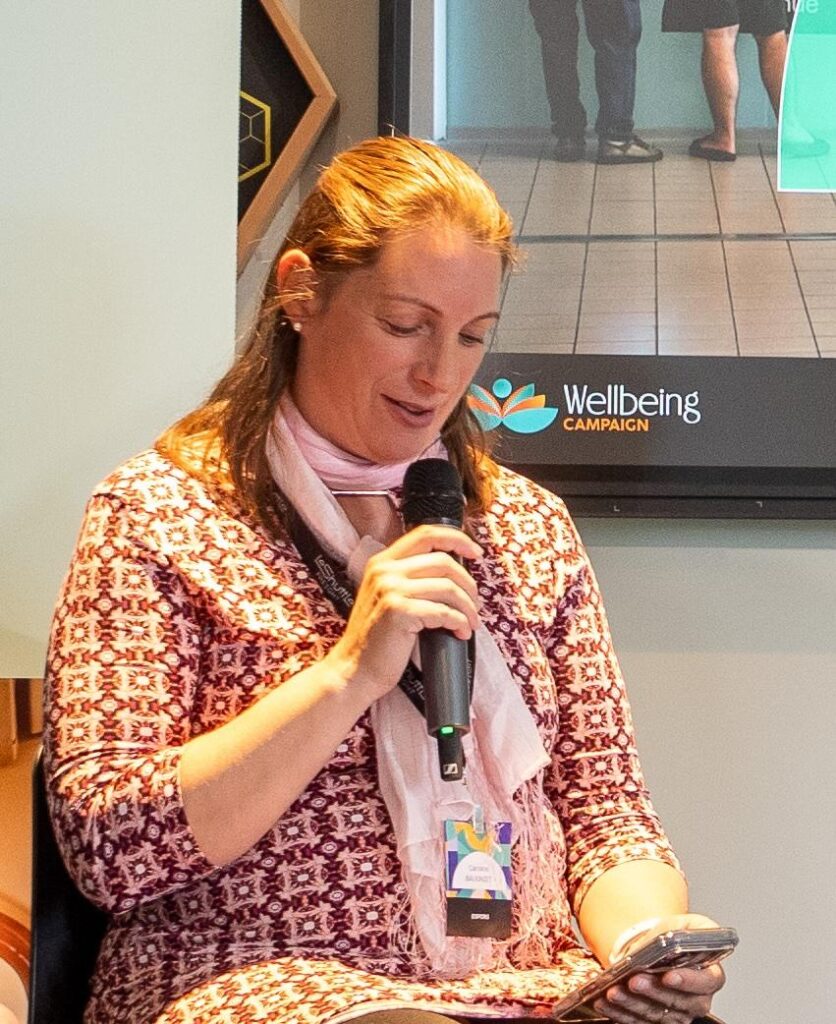
Caroline Baugniet, professional truck driver, trainer, mentor, and founder of the Lady Truckers advocacy and mentoring programme in Belgium brought a powerful practitioner perspective. Caroline’s real-world experience behind the wheel and her dedication to supporting other women provided invaluable lived insights – connecting policy and research to the daily realities female drivers face, emphasising the human elements of safety, community, and personal wellbeing that make the biggest difference.
Closing Vision from Druselia Betea:
“Truck drivers already navigate tough realities every day. Women drivers face even more. We want to truly listen to their experiences. Our goal is clear: make truck driving a more attractive, respectful, and supportive profession for women — and ultimately for everyone in the sector.”

This kick-off with leading partners (IRU, ATRI, BSEC-URTA, and ESPORG) lays a strong foundation. More stakeholders across the supply chain are encouraged to join after the summer to shape research, solutions, and training for lasting impact.